SOYO AMD Radeon R7 350 4GB GDDR5 Review: Budget GPU Guide
Problem & Solution
Integrated graphics on older desktop processors or budget CPUs often lack dedicated video memory and basic physical display outputs, leading to poor multi-tasking performance and difficulties connecting older monitors.
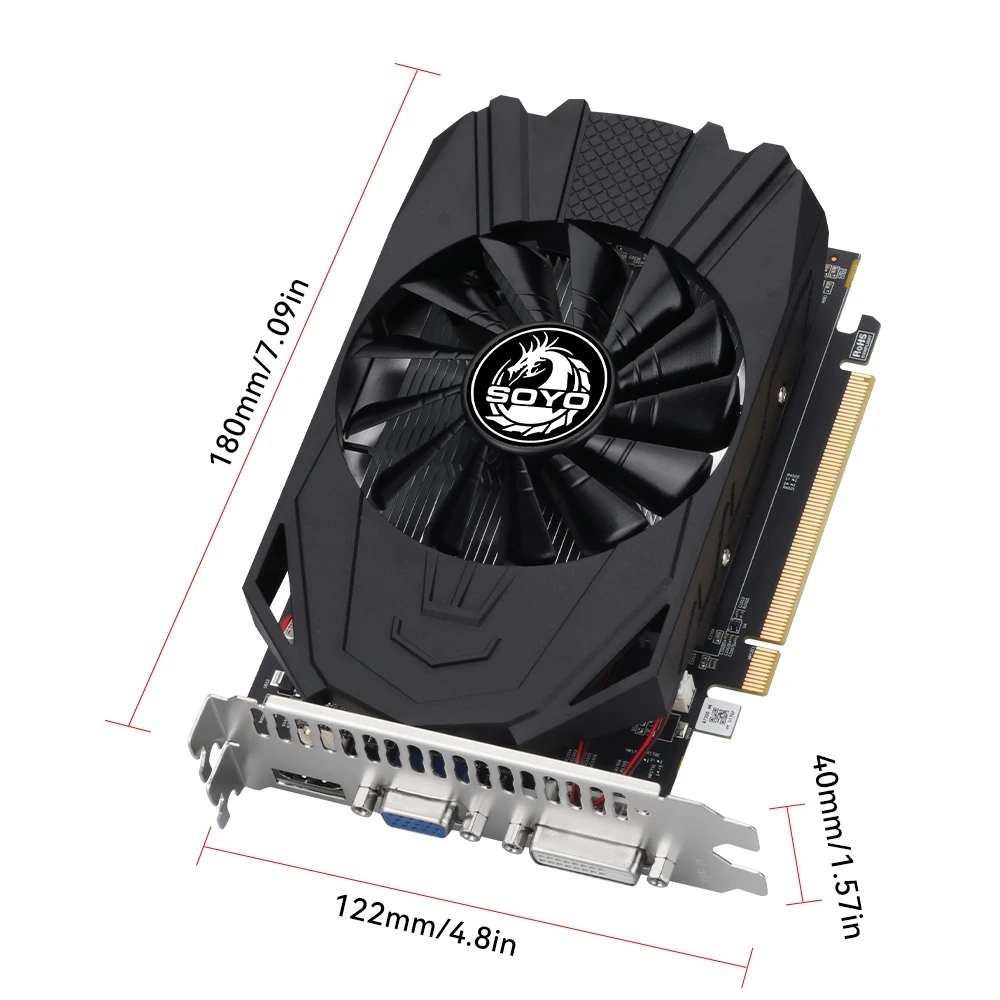
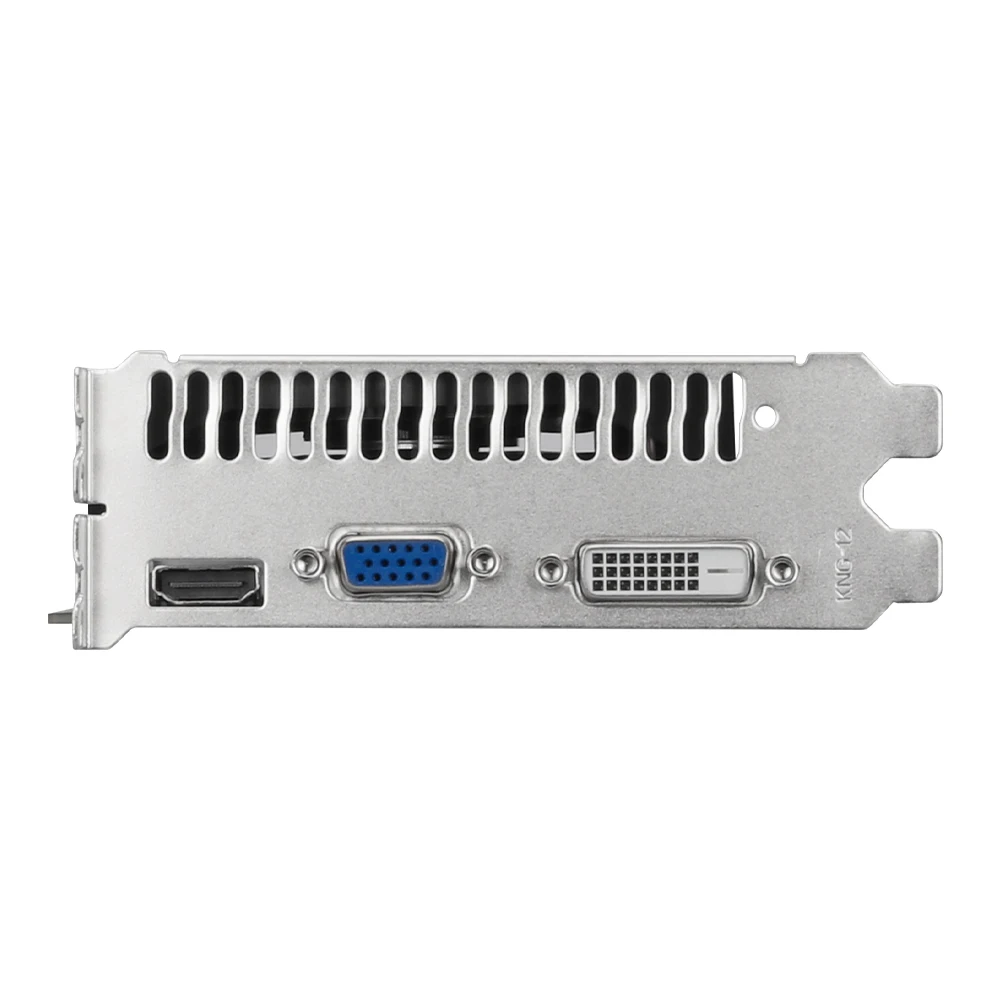
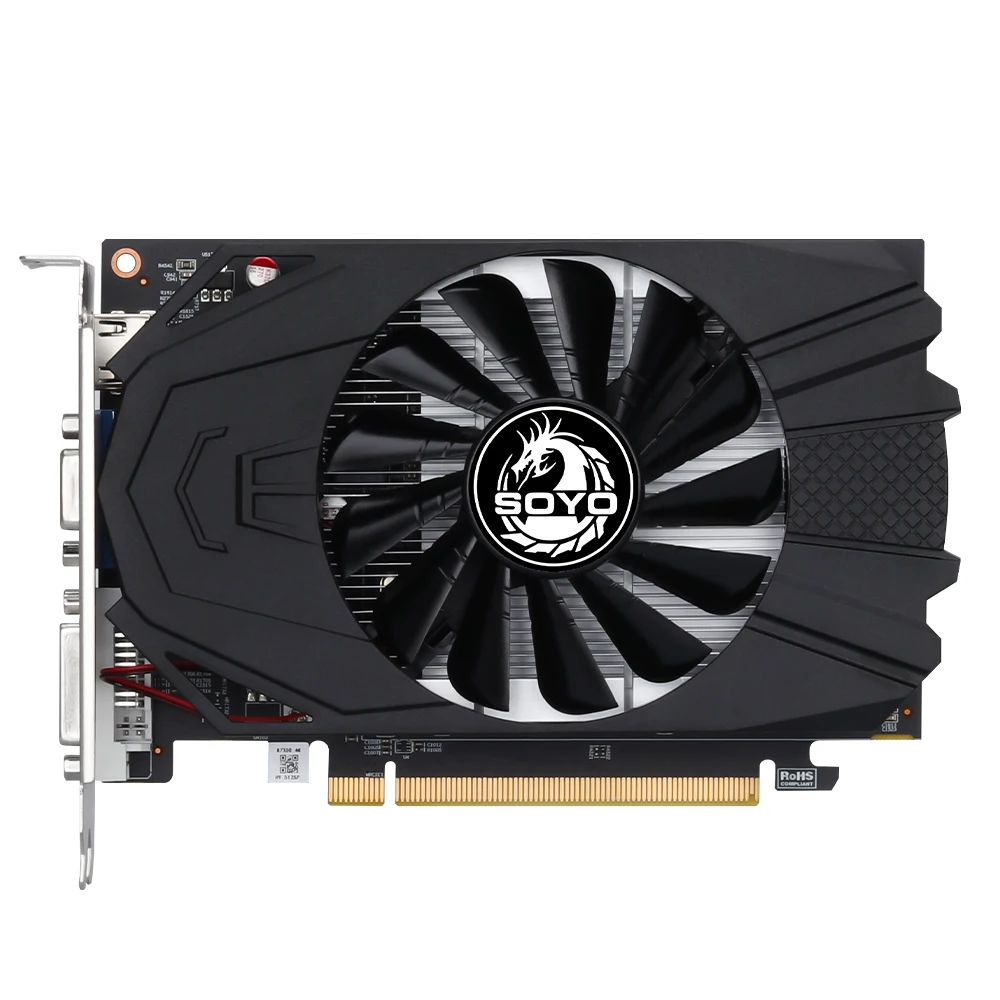
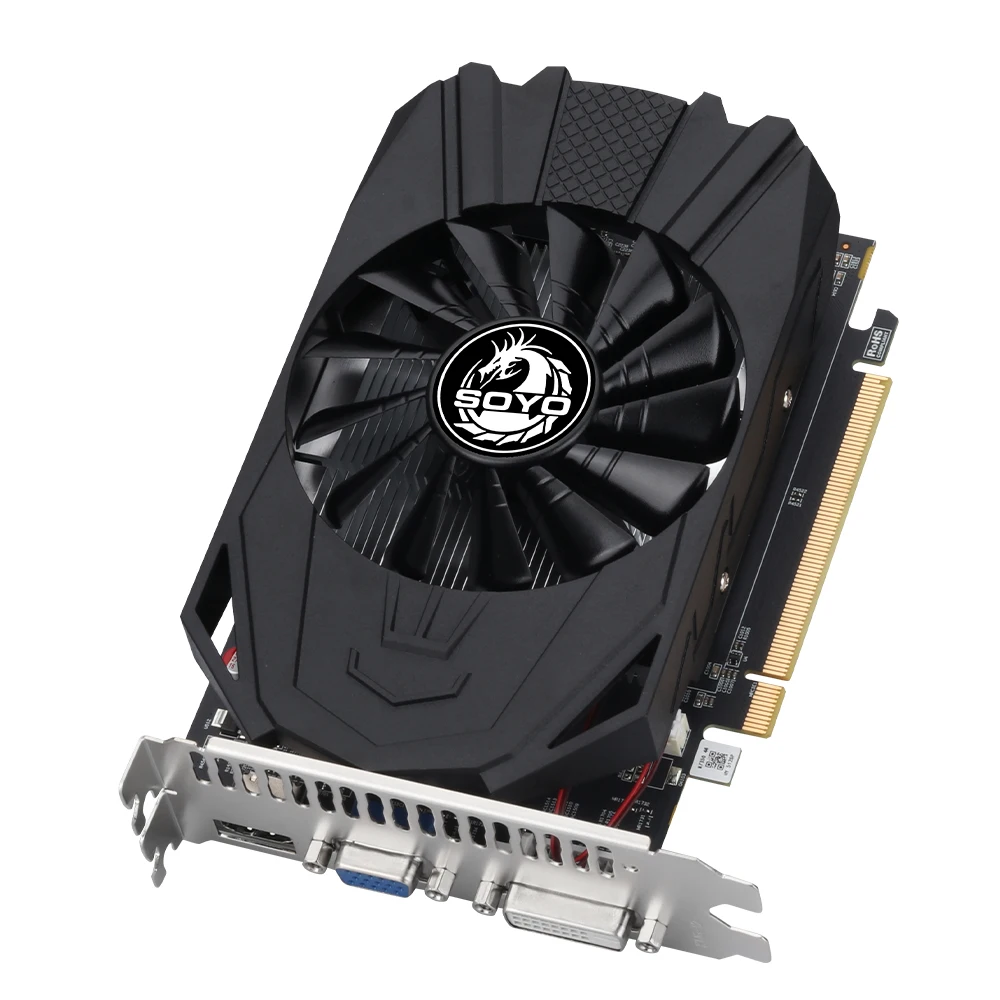
The SOYO AMD Radeon R7 350 4GB GDDR5 graphics card addresses this issue by providing dedicated video memory (4GB GDDR5 on a 128-bit bus) alongside a comprehensive selection of display outputs: VGA, DVI, and HDMI. This allows users to add multi-monitor support, display high-definition video, and run legacy or lighter games without consuming system memory.
Who Is It For?
This graphics card is primarily designed for PC builders on a strict budget, office workstations requiring multi-display output, and owners of older desktop systems looking to add or upgrade a discrete video card.
It is ideal for users who need legacy VGA or DVI ports alongside HDMI, as well as casual gamers looking to play older titles or basic esports games at low to modest display settings.
Key Features
- 4GB GDDR5 Video Memory — Provides dedicated graphics RAM to handle multi-monitor setups and light gaming without taking system memory.
- 128-Bit Memory Bus — Delivers adequate bandwidth for smooth 1080p desktop operation and high-definition video playback.
- Triple Display Outputs (VGA, DVI, HDMI) — Offers broad compatibility with legacy VGA and DVI monitors as well as modern HDMI displays.
- PCI Express 3.0 x16 Interface — Ensures standard plug-and-play compatibility with a wide range of desktop motherboards.
- 28nm AMD Process Node — Utilizes an established GPU architecture tailored for entry-level computing tasks and basic display driving.
Technical Specifications
| Graphics Chipset | AMD Radeon R7 350 |
| Video Memory | 4GB GDDR5 |
| Memory Bus Width | 128-bit |
| Manufacturing Process | 28nm |
| Interface Standard | PCI Express 3.0 x16 |
| Display Connectors | 1x VGA, 1x HDMI, 1x DVI |
| Core / Memory Clock Speed | not specified |
| Power Consumption / Connectors | not specified |
Pros & Cons
Pros
- Versatile display output options including legacy VGA, DVI, and modern HDMI
- 4GB GDDR5 configuration offers ample video memory for basic multitasking and light gaming
- PCIe 3.0 x16 standard interface fits most modern and older desktop motherboards
Cons
- 28nm architecture and legacy R7 series design limit performance in modern demanding games
- Specific core clock speeds, memory clock rates, and exact power supply requirements are not specified in available product data
FAQ
This card features three physical ports: one HDMI, one DVI, and one VGA port, allowing for standard multi-monitor setups across both legacy and modern displays.
Due to its entry-level architecture and 28nm manufacturing node, this card is intended for basic desktop tasks, high-definition video, and light or older gaming titles rather than demanding current-generation AAA games.
The card uses a standard PCI Express 3.0 x16 slot, which is found on most standard desktop motherboards.
Specific power consumption and direct power supply connector requirements are not specified in the available product data.
Final Verdict
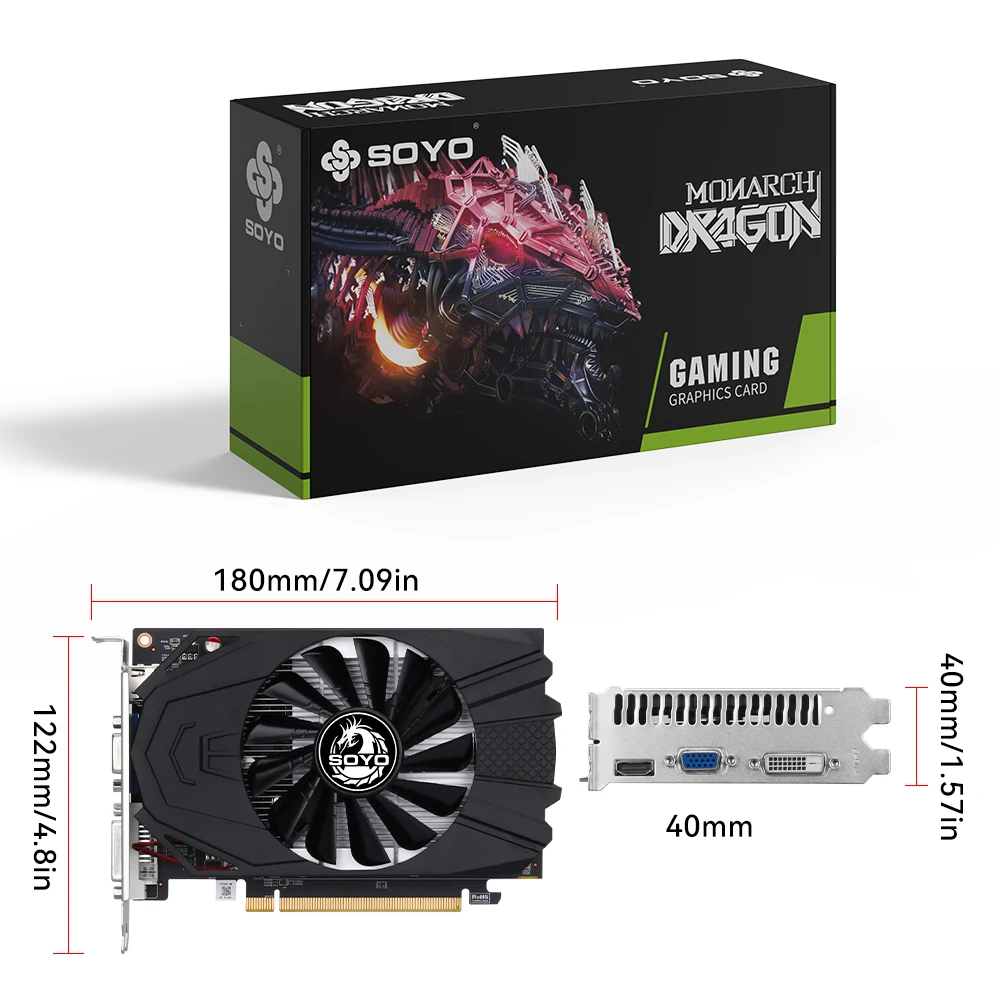
Recommended for budget system builders, home office multi-monitor setups, and users needing an entry-level GPU with flexible output ports like VGA and HDMI. Skip if your goal is high-framerate modern 1080p/4K gaming. Verify your motherboard expansion clearance and power supply capabilities before purchasing.