
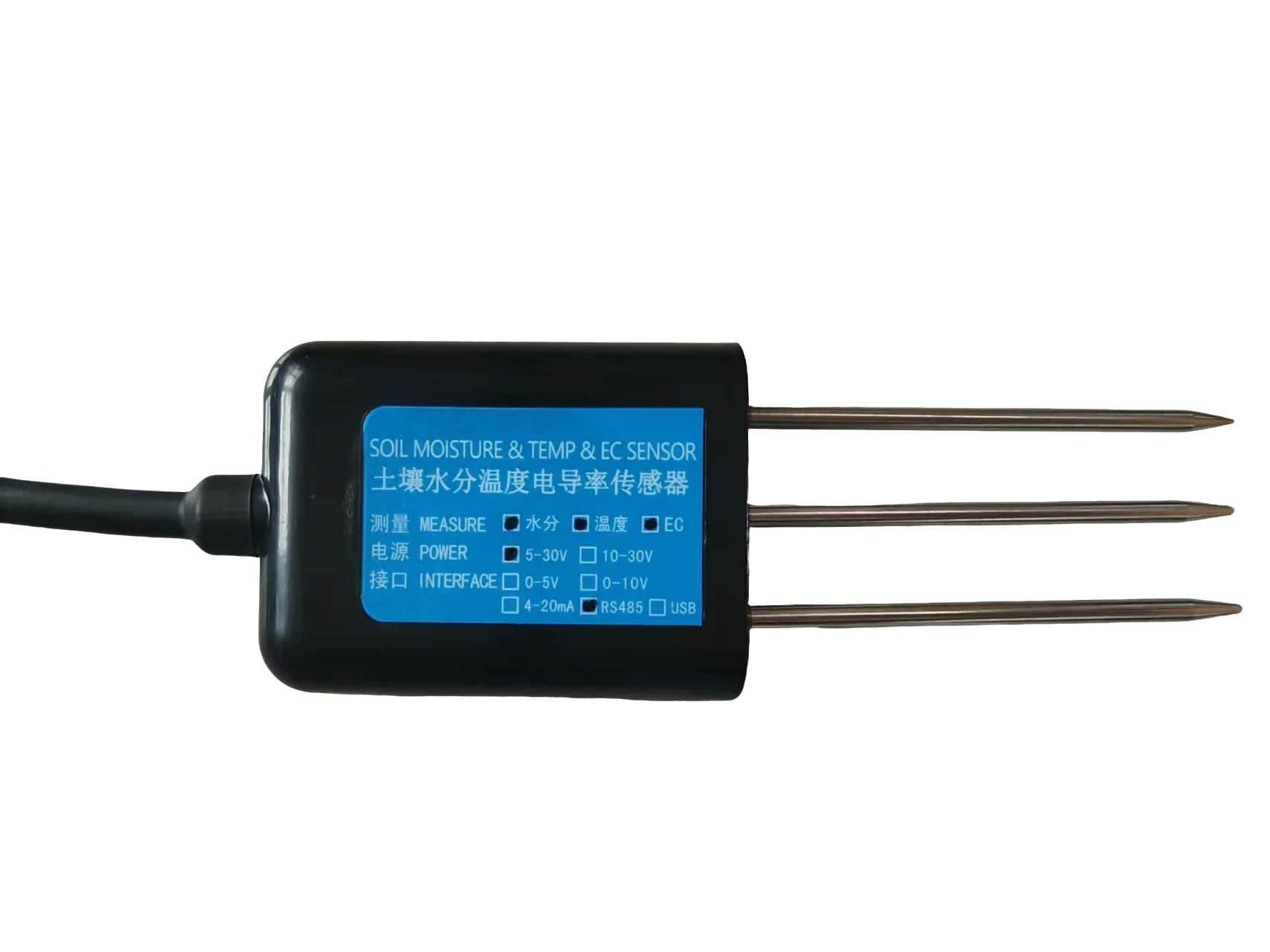
Problem & Solution
Soil electrical conductivity (EC) is a critical indicator of soil salinity, nutrient concentration, and overall soil health in commercial farming. Traditional soil sampling methods require periodic manual labor, field visits, and laboratory analysis, which delay intervention and fail to capture transient fluctuations in salt levels caused by irrigation or fertilization. Wired sensors, on the other hand, introduce complex cabling that interferes with farm machinery and cultivation routines.
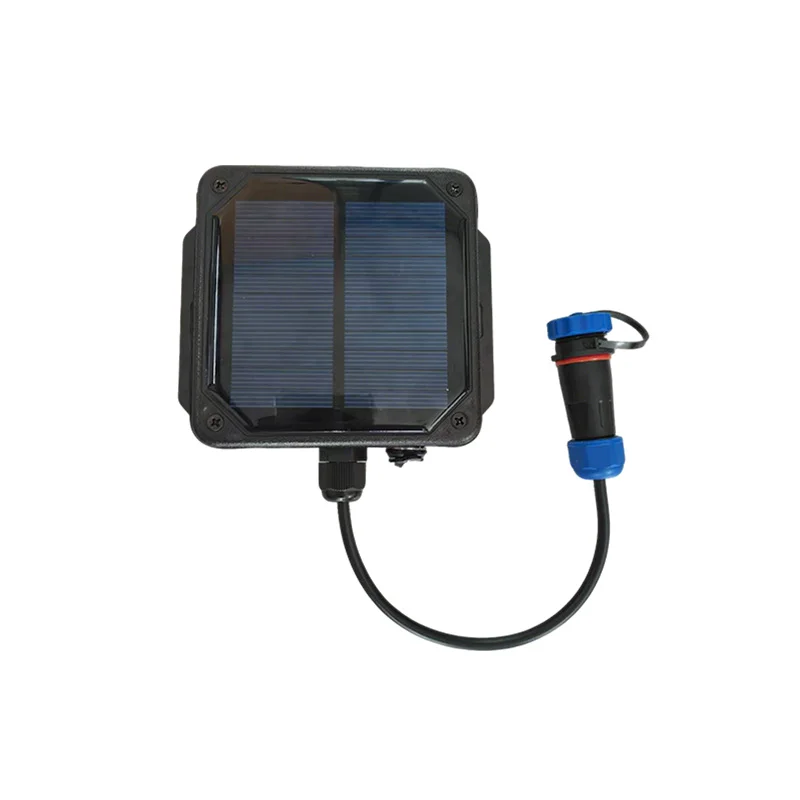
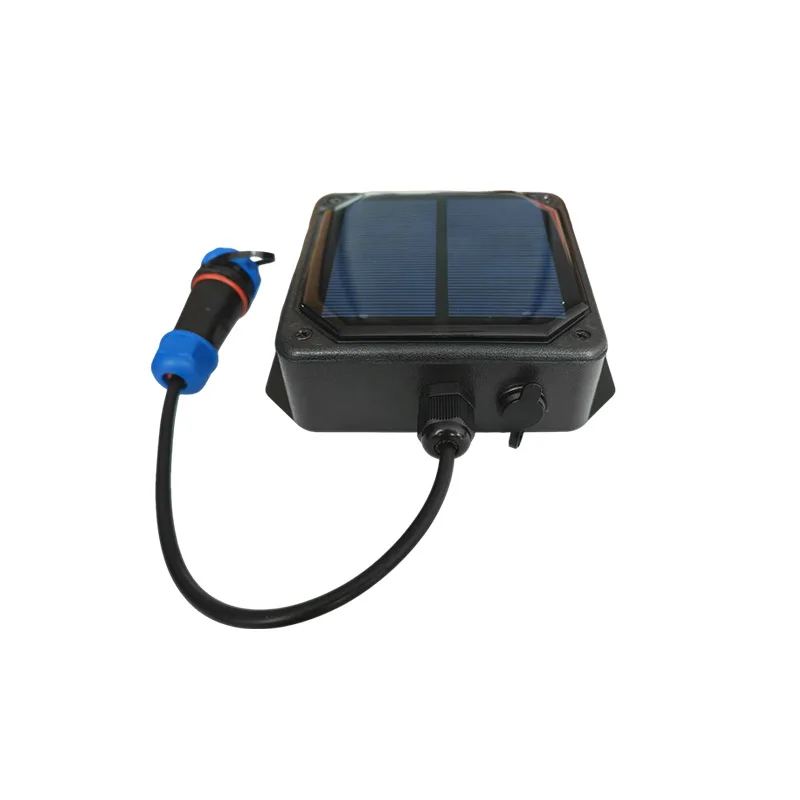
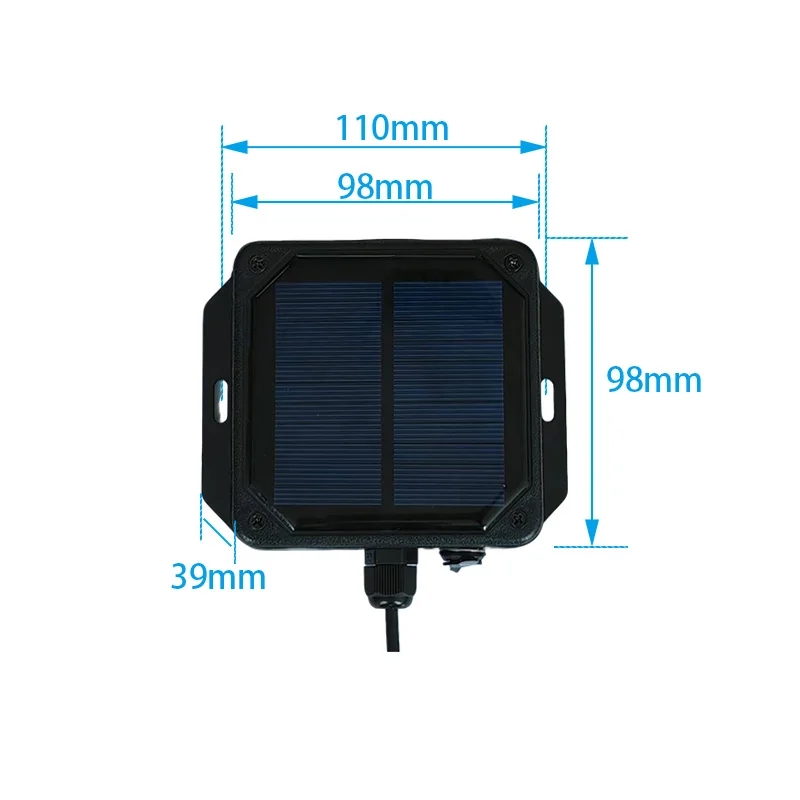
The ZONEWU Wireless LoRaWAN Solar-Powered Soil EC Sensor addresses these challenges by integrating high-precision EC sensing, long-range wireless telemetry, and solar power harvesting into a single field unit. By transmitting soil conductivity data wirelessly over a LoRaWAN network, it enables farm managers to implement continuous, automated monitoring without replacing batteries or routing physical wires across crops.
Who Is It For?
This device is designed for commercial farm operators, greenhouse managers, agricultural research institutions, and precision irrigation system integrators. It is specifically suited for teams deploying IoT infrastructure across large agricultural fields where power infrastructure is absent and long-range, low-power data transmission is essential.
Key Features
- LoRaWAN Wireless ConnectivityTransmits telemetry over long distances with low power consumption, integrating with standard LoRaWAN gateways and network servers.
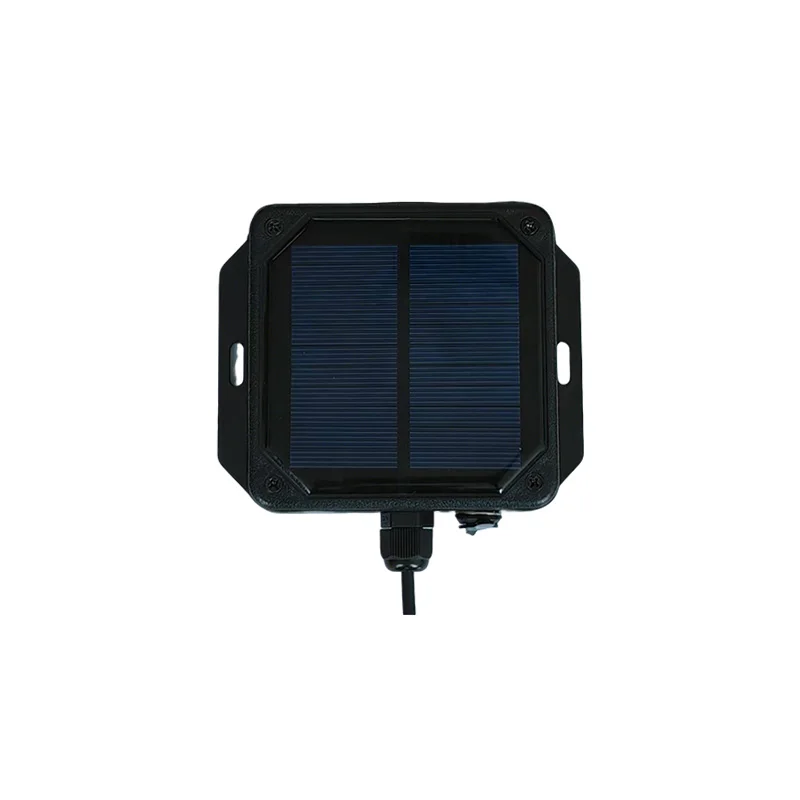
- Integrated Solar Power SystemEliminates the need for frequent manual battery swaps, supporting continuous autonomous field deployment.
- Real-Time Soil Electrical Conductivity (EC) MonitoringDelivers accurate data on soil salinity levels to optimize fertigation and prevent soil degradation.
- Field-Ready Agricultural HousingBuilt for direct outdoor soil installation to withstand direct sun, soil moisture, and harsh environmental conditions.
- Telemetry Integration CapabilityStreams real-time data to central farm management software or IoT dashboards for automated decision-making.
Technical Specifications
| Wireless Connectivity | LoRaWAN |
| Power Source | Solar-Powered / Integrated Solar Panel |
| Primary Parameter | Soil Electrical Conductivity (EC) |
| Application | Smart Agriculture / Precision Farming |
| Deployment Type | Wireless Outdoor Sensor Node |
| Enclosure / Protection Rating | not specified |
| EC Measurement Range | not specified |
| Operating Temperature Range | not specified |
Pros & Cons
Pros
- Solar power harvesting reduces long-term field maintenance requirements.
- LoRaWAN protocol allows wide-area coverage without ongoing cellular data subscriptions.
- Real-time monitoring facilitates immediate adjustments to irrigation and fertilization plans.
- Eliminates complex trenching and signal cabling across agricultural fields.
Cons
- Requires an operational LoRaWAN gateway and network server infrastructure to transmit data.
- Solar charging effectiveness depends on proper mounting orientation and field sunlight exposure.
- Full technical specifications (such as exact measuring range and enclosure IP rating) are not detailed in available data.
FAQ
It utilizes the LoRaWAN protocol, designed for long-range, low-power telemetry in smart agriculture and industrial IoT deployments.
No, the unit features an integrated solar panel for field energy harvesting, designed for autonomous operation.
It measures Soil Electrical Conductivity (EC), which indicates the concentration of soluble salts and nutrients in the soil matrix.
No, LoRaWAN end-nodes require a compatible LoRaWAN gateway within range to receive data packets and relay them to an IoT platform.
Final Verdict
A practical choice for growers and IoT integrators building automated soil monitoring networks, provided an operational LoRaWAN infrastructure is in place. Verify local radio frequency band support and gateway coverage prior to ordering.