
Problem & Solution
Tiling, grouting, and stucco work frequently suffer from messy applications. Spreading compound with hard-edged metal scrapers can scratch delicate ceramic or stone tile faces, while using makeshift sponges leaves uneven grout lines and excess residue across tile joints.
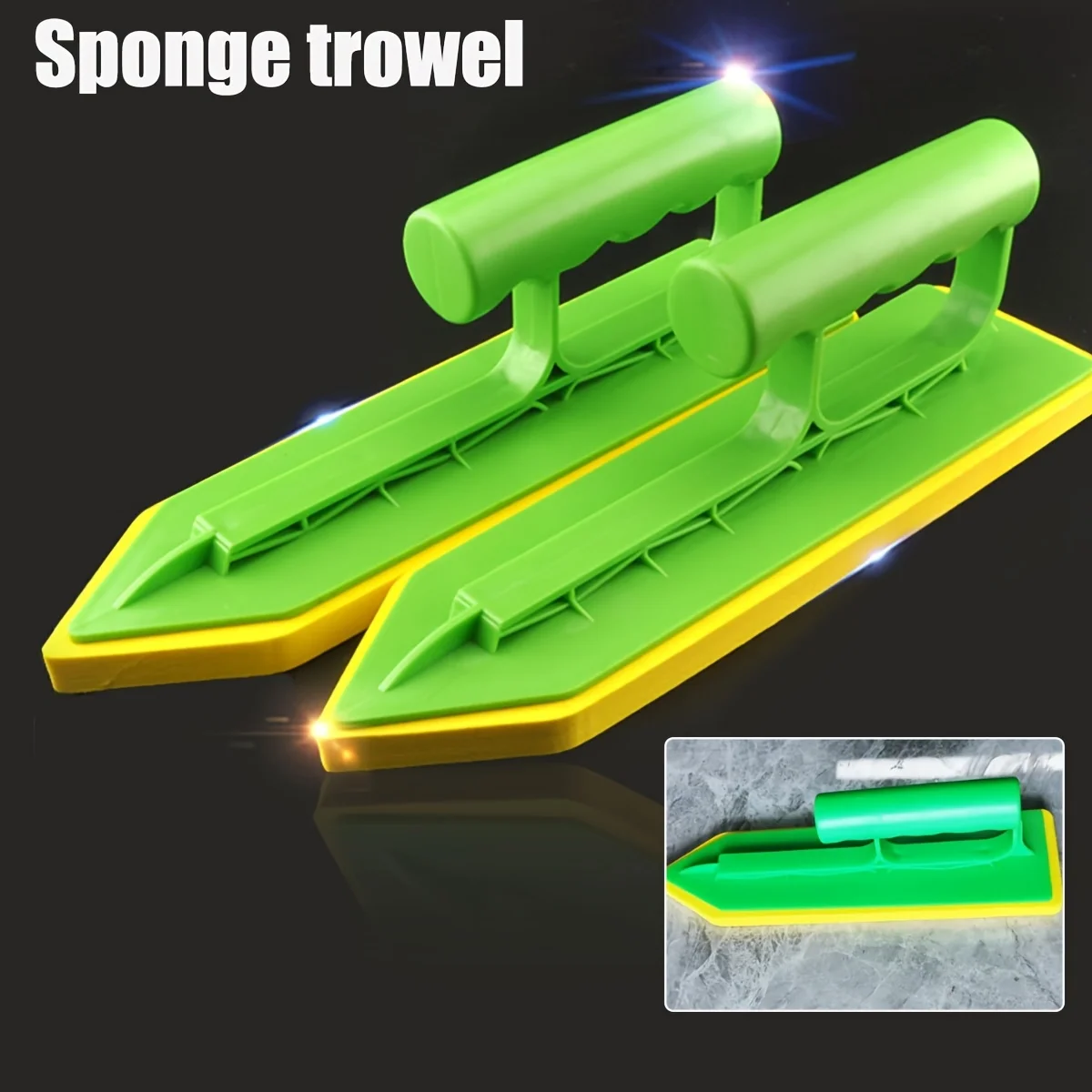
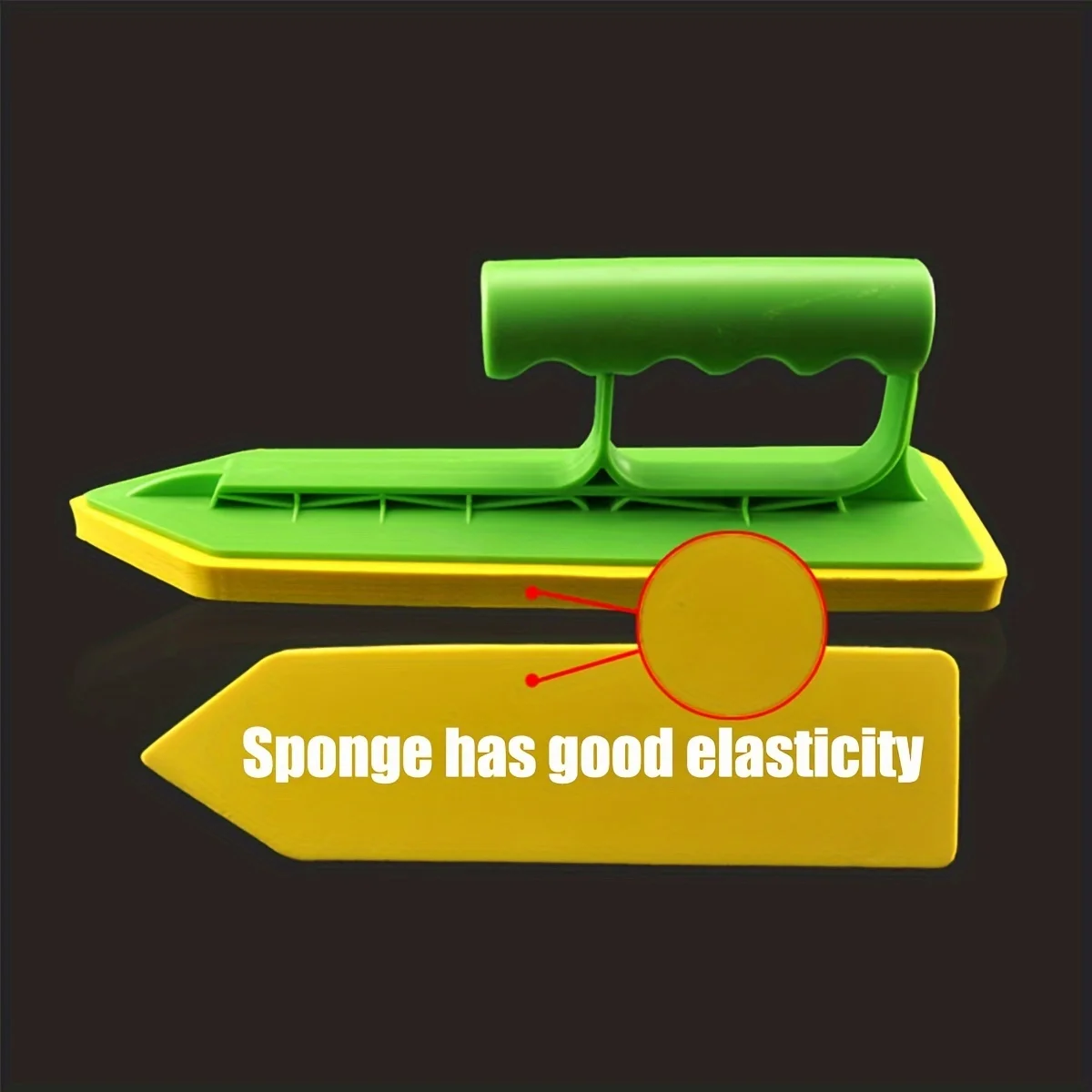
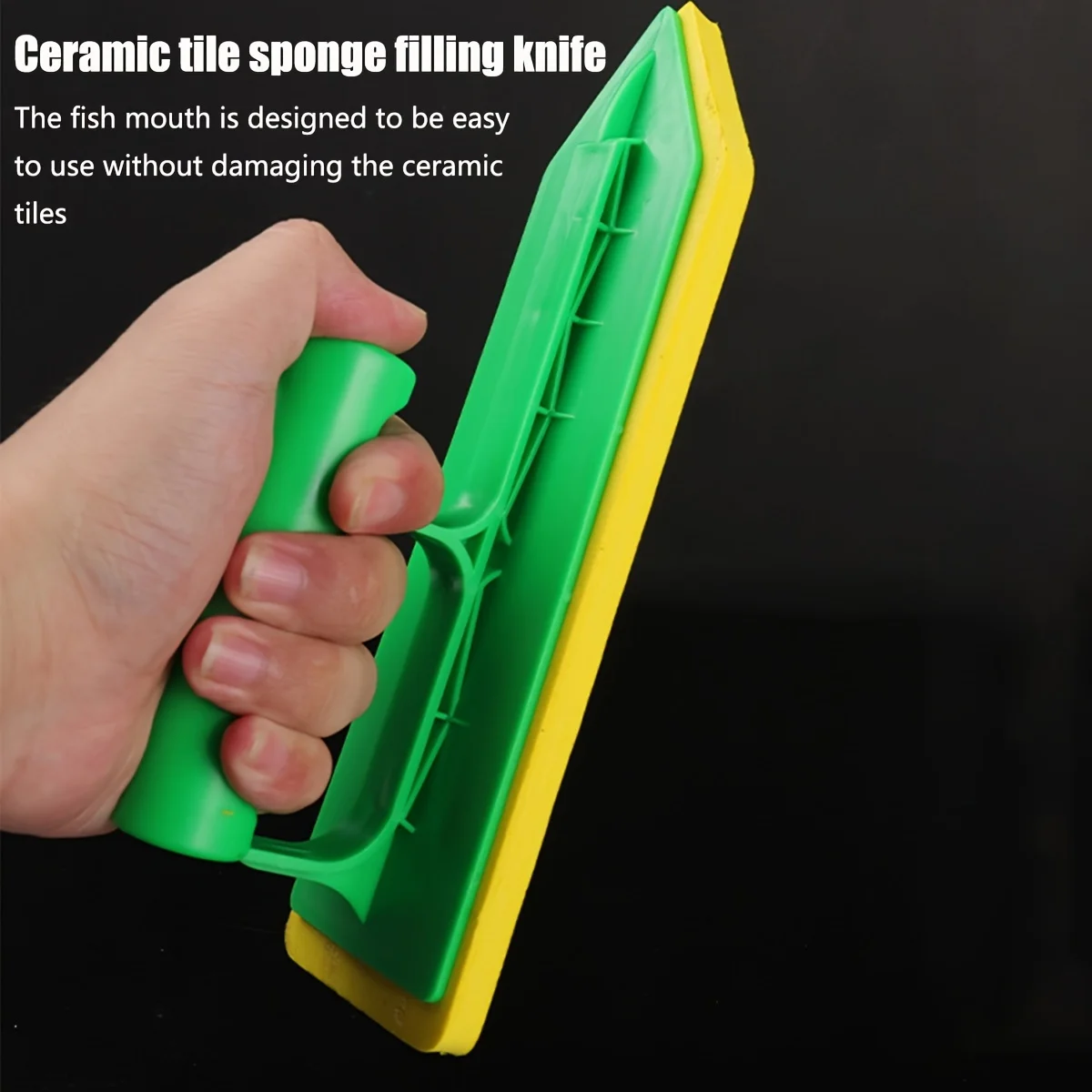
A specialized sponge foam float trowel bridges this gap by combining a flexible foam face with a structured backing handle. The soft foam surface compresses slightly against the tile face, wiping away surface haze while pressing grout firmly into beauty seams without damaging delicate glazes.
Who Is It For?
This tool is intended for DIY home renovators, handymen, and tile installation workers who require a lightweight, dual-action tool for grouting, beauty seam scraping, caulking, or smoothing stucco patches across wall and floor surfaces.
Key Features
- Sponge Foam FaceAllows soft contact with tile surfaces, compressing into seams to push grout into place without scratching delicate finishes.
- Multi-Function DesignServes as a grout float, stucco finishing pad, seam scraper, putty spatula, and caulking smoother.
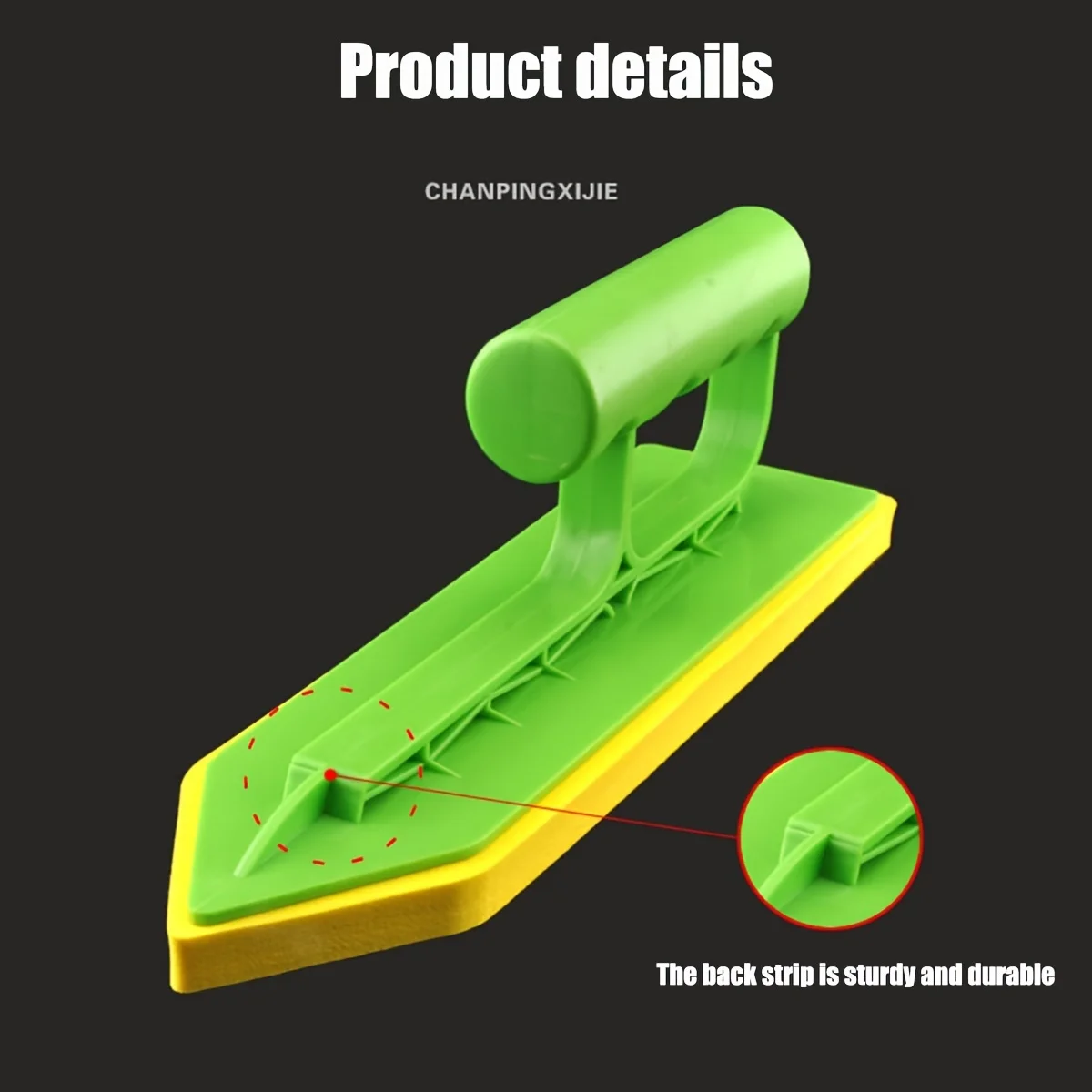
- Integrated Scraping ActionHelps clean excess compound off tile faces during the initial pass to simplify final wash-down.
- Manual Handle StructureOffers direct hand placement and tactile feedback when applying pressure along grout channels.
Technical Specifications
| Tool Category | Sponge Foam Float Trowel / Beauty Seam Scraper |
| Primary Applications | Grout, Stucco, Floor & Wall Tile Beauty Seams, Putty, Caulking |
| Finishing Face Material | Sponge / Foam |
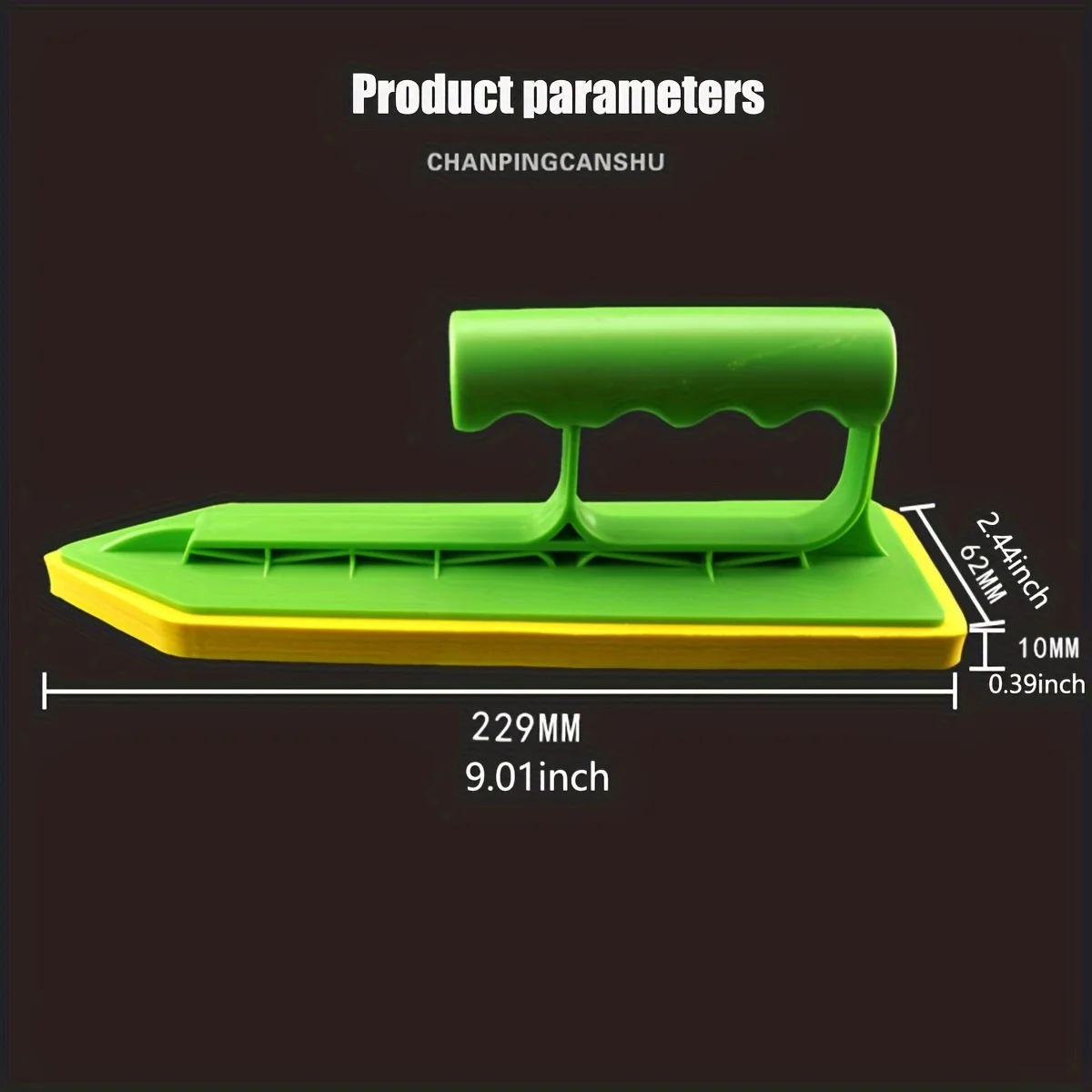
| Pad Dimensions | Not specified in available data |
| Handle Material | Not specified in available data |
| Tool Weight | Not specified in available data |
Pros & Cons
Pros
- Multi-purpose usability across grout, stucco, caulking, and putty projects
- Foam contact edge reduces the risk of scratching decorative tile glazes
- Lightweight, simple manual design requires no setup or complex maintenance
Cons
- Exact foam density and pad dimensions are not stated in the available product data
- Abrasive or rough natural stone surfaces may cause foam wear over extended heavy-duty use
FAQ
It is designed for spreading and cleaning compounds across floor and wall tiles, stucco surfaces, beauty seams, and general caulking areas.
It functions primarily for spreading wet compounds and scraping away fresh surface excess. Hardened masonry materials may require a dedicated heavy-duty metal scraper.
Specific dimensions, weight, and pad thickness are not specified in the available product data.
Final Verdict
A versatile manual finishing tool suitable for homeowners and tradespeople working on tile grouting, caulking, and stucco application. It provides a non-marring method for smoothing joints, though buyers should verify physical dimensions with the seller before purchasing for large-scale masonry jobs.