Problem & Solution
Experiencing immersive 3D videos and 360-degree media usually requires expensive standalone hardware or high-powered computer setups. For casual users who want to try virtual reality media without investing in dedicated gaming hardware, standard displays fall short of offering a spatial viewing experience.
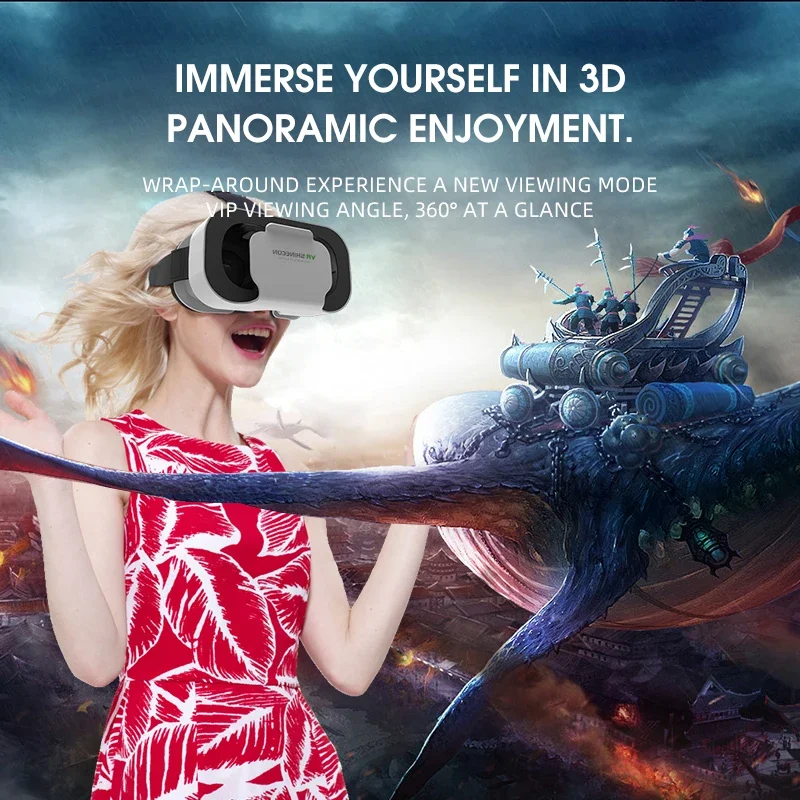
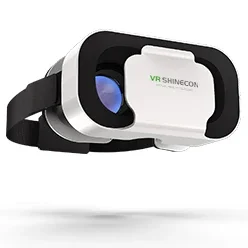
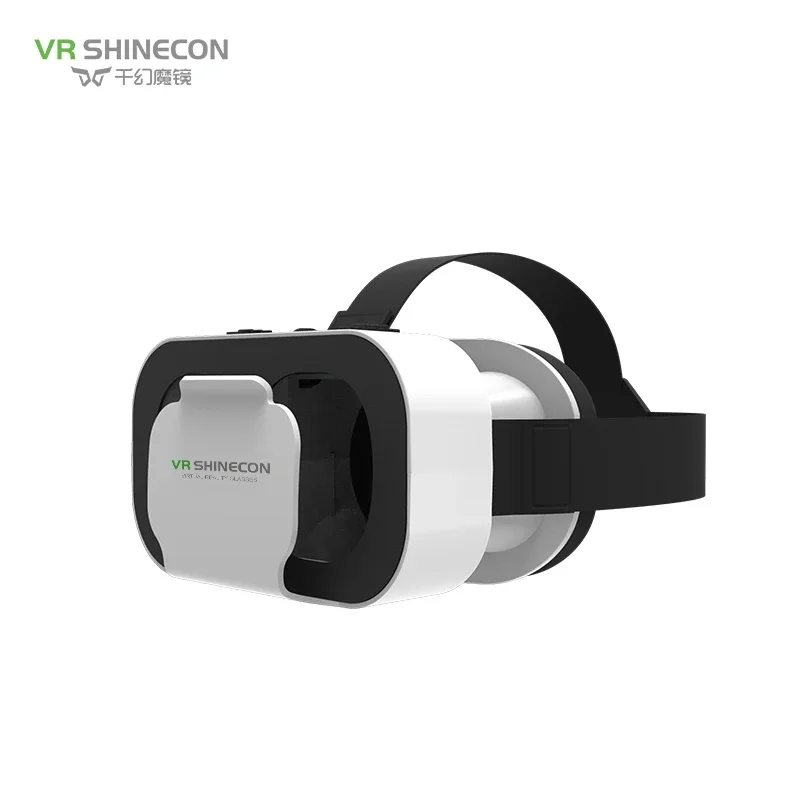
This VR headset shell solves that problem by using optical lenses in a light-blocking enclosure. By inserting a compatible mobile smartphone running split-screen (Side-by-Side) video content, the device transforms standard mobile media into a stereoscopic 3D viewing viewer, providing a hands-free intro to VR.
Who Is It For?
This device is targeted at mobile phone owners seeking a low-barrier introduction to 3D video playback, 360-degree virtual tours, or basic mobile VR applications. It is suited for users who want hands-free media consumption using hardware they already own.
Key Features
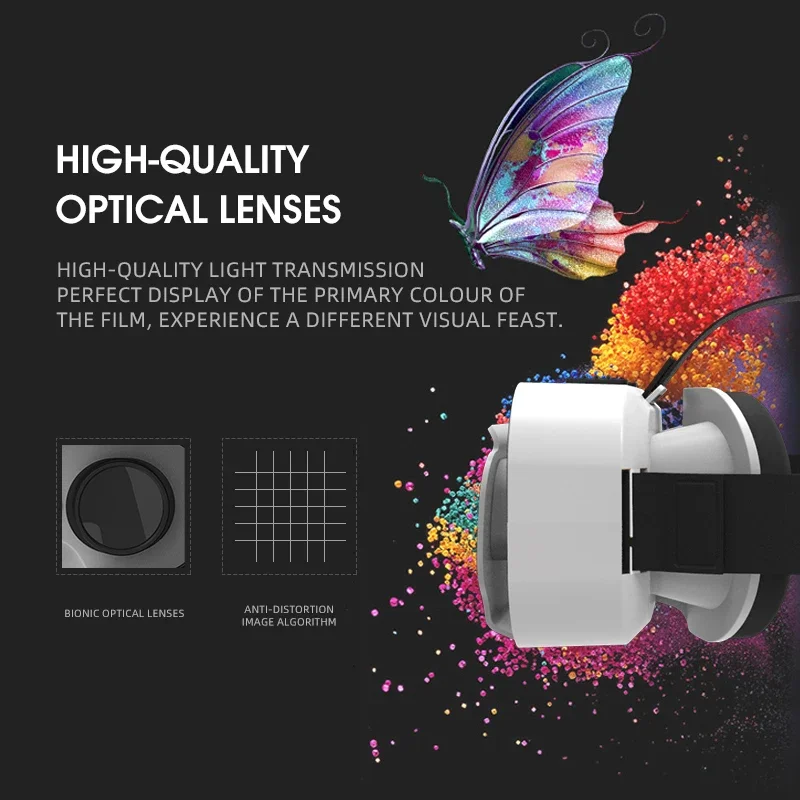
- Passive Optical SystemUses dual focusing lenses to merge split-screen smartphone content into a single stereoscopic 3D image.
- Enclosed Smartphone HousingSecures the mobile device while blocking external ambient light to enhance spatial immersion.
- Adjustable Head StrapSecures the viewer to the user's head for continuous, hands-free video viewing.
- Universal Mobile Platform CompatibilityWorks across standard smartphone operating systems by utilizing mobile media apps directly on the phone.
Technical Specifications
| Product Category | Smartphone Virtual Reality Viewer / Goggles |
| Display Type | Relies on inserted mobile smartphone screen |
| Optical System | 3D stereoscopic viewing lenses |
| Power Source | None (Passive physical housing) |
| Head Retention | Adjustable head strap system |
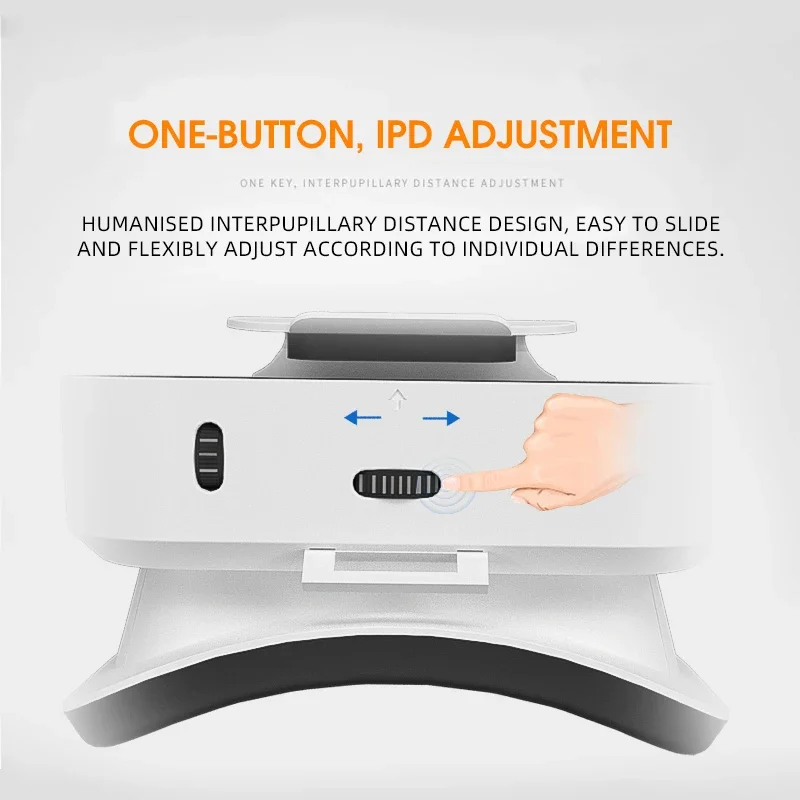
| Interpupillary / Focal Adjustment | Not specified in available data |
| Supported Smartphone Dimensions | Not specified in available data |
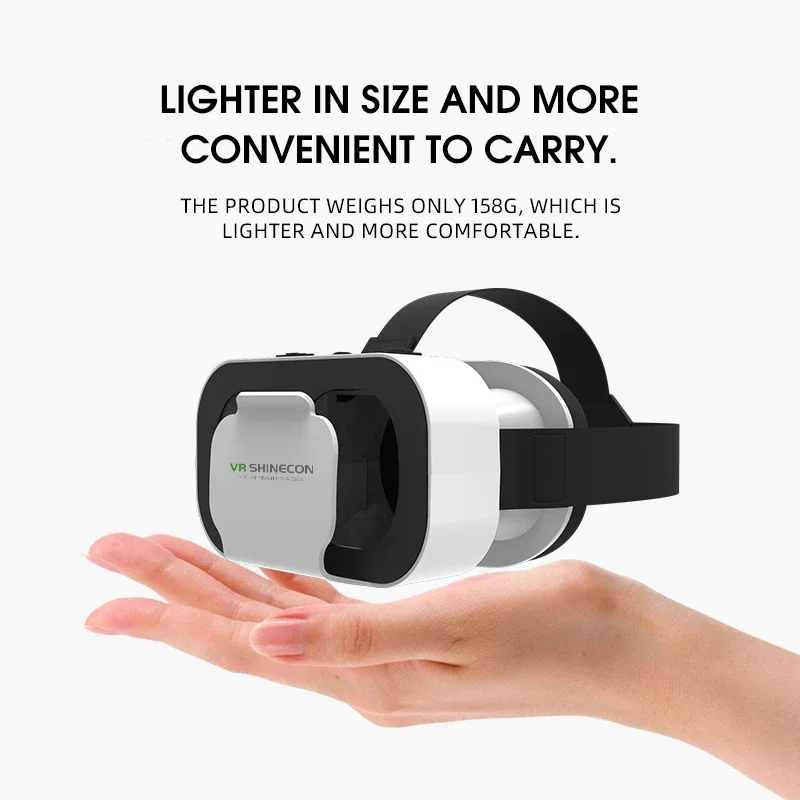
| Weight | Not specified in available data |
Pros & Cons
Pros
- Simple passive operation requiring no internal batteries, charging, or software updates for the headset itself.
- Provides a hands-free mounting system for watching extended split-screen movies.
- Leverages the user's existing smartphone display and audio output without redundant electronics.
Cons
- Visual resolution and frame rate are constrained entirely by the inserted smartphone's screen.
- Exact supported phone dimensions and screen size limits are not explicitly stated in available data.
- Lacks internal electronic motion sensors or direct touch controls, requiring phone interaction before closing or via separate Bluetooth peripherals.
FAQ
No. It is a passive optical enclosure with no internal battery, circuit board, or electronic display. Power and video processing come entirely from your smartphone.
Specific minimum and maximum phone dimensions are not provided in the available product data. Buyers should verify if their phone body and screen size match typical smartphone VR shell dimensions before ordering.
Because the enclosure fully covers the phone screen without specified built-in capacitive touch buttons, media must be started prior to placing the phone inside, or controlled via an external handheld controller (not specified as included).
Integrated electronic speakers are not specified in the product data. Sound relies on your mobile phone's native speakers or a connected wireless headset.
Final Verdict
A practical option for mobile device users curious about basic 3D media and 360 video viewing without purchasing dedicated hardware. However, those looking for interactive VR gaming with positional tracking or built-in controllers should look toward active standalone systems.