PPD Ultra Thin Metal Steel Pry Tool Review for Electronics
Problem & Solution
Modern smartphones, tablets, and ultrabooks are assembled with heavy industrial adhesives and near-zero tolerance seam gaps. Standard plastic spudgers and guitar-pick opening tools frequently flex, warp, or chip off when attempting to slice through tough factory screen glue, leaving repairers struggling to gain initial entry without cracking glass.
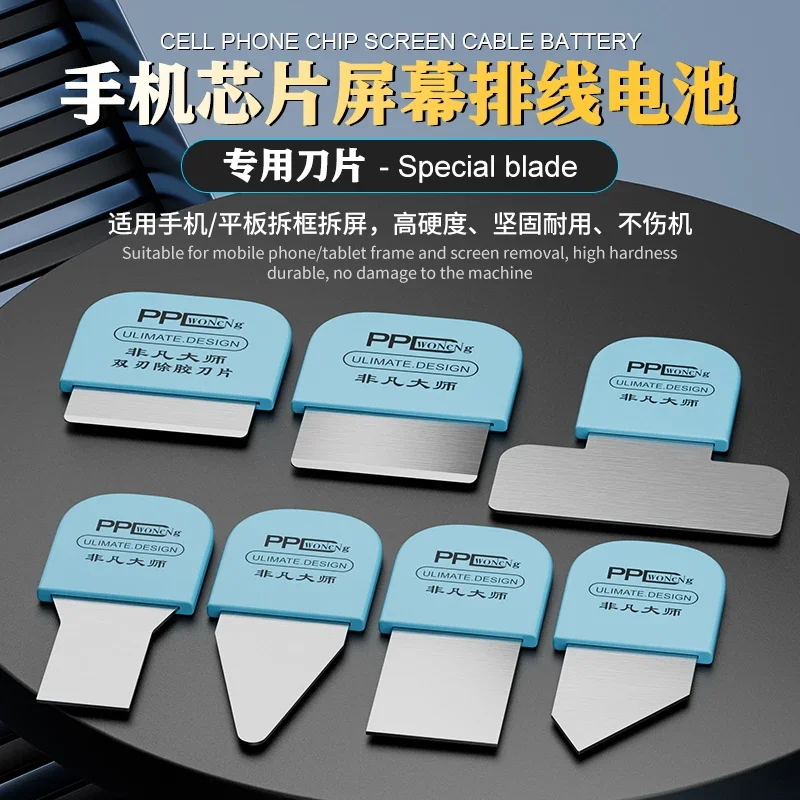
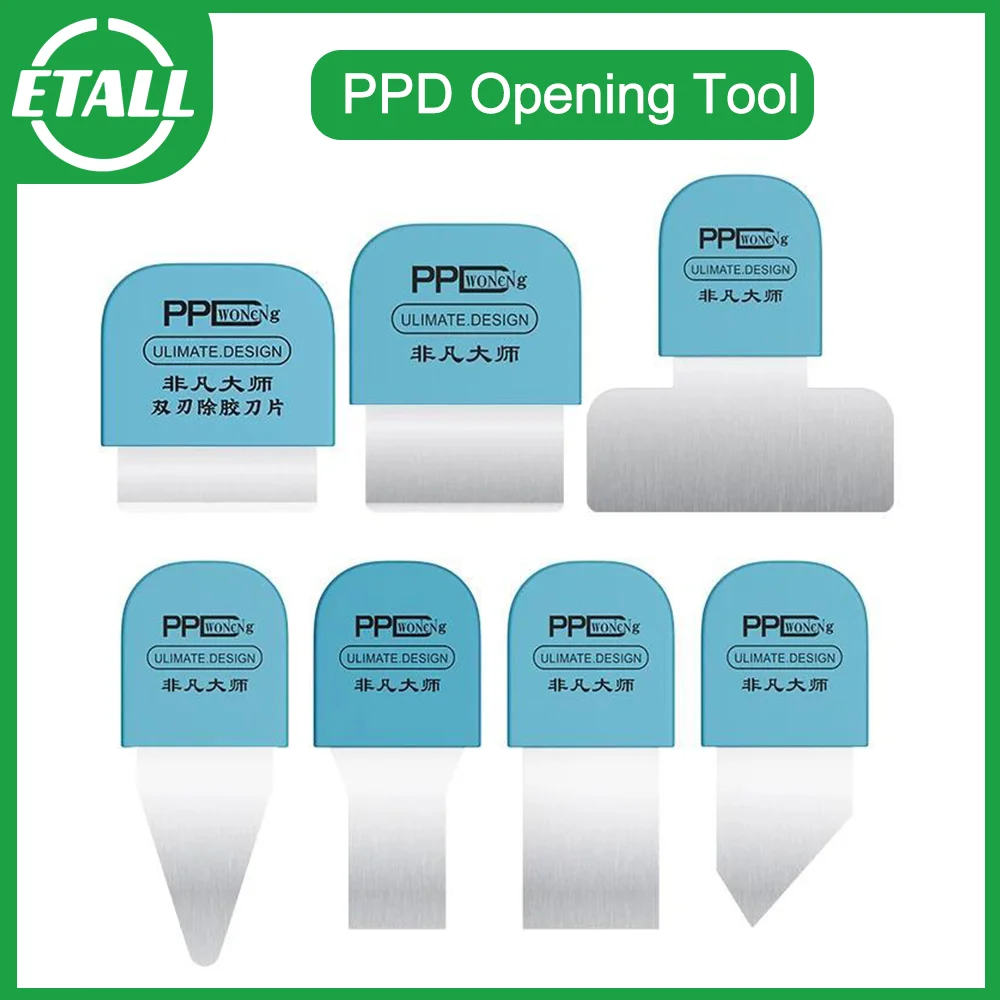
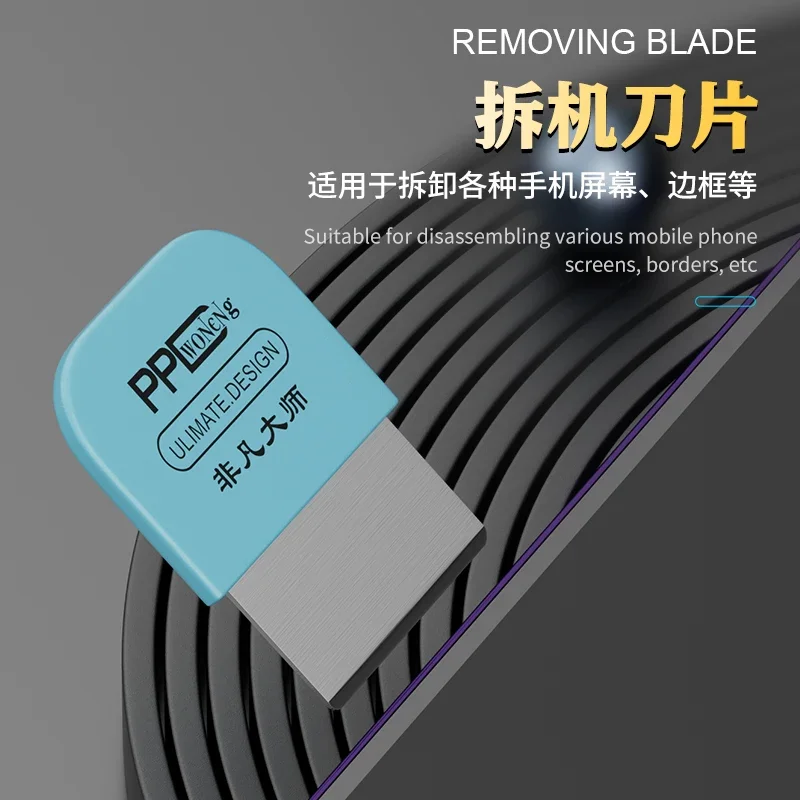
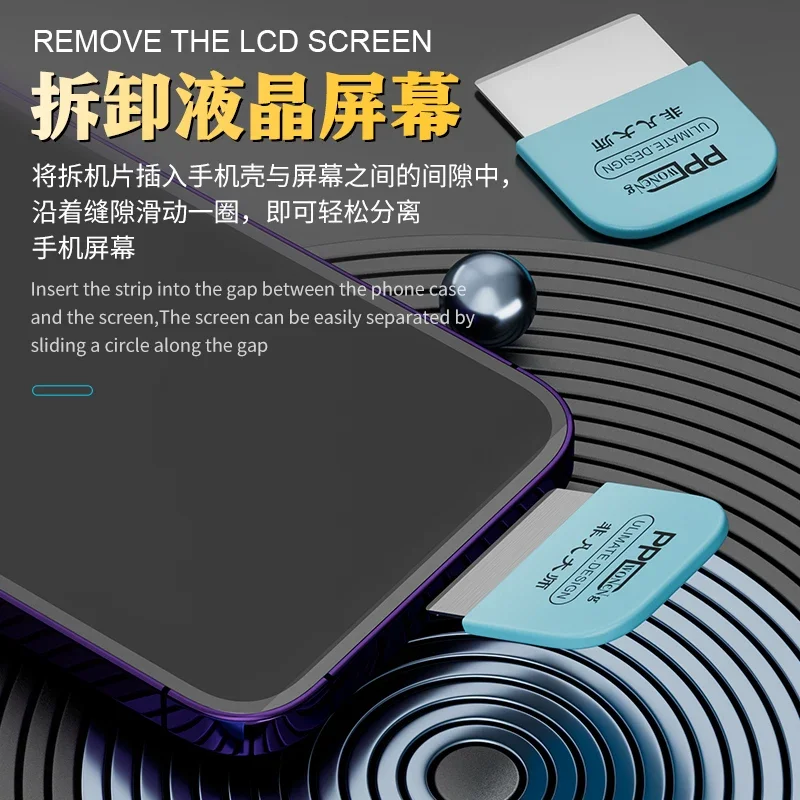
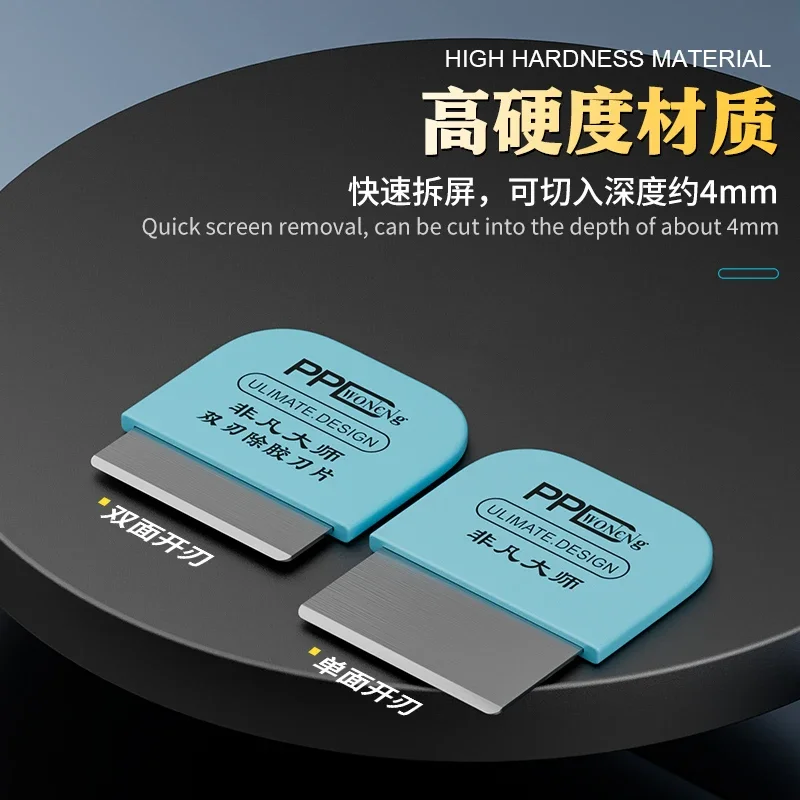
The PPD Ultra Thin Metal Steel Opening Tool addresses this clearance challenge with an ultra-slim steel blade profile. Designed to slip into micro-gaps between glass panels and chassis frames, it allows technicians to break adhesive bonds, remove batteries, and separate display layers without needing excessive wedging force.
In addition to screen opening, the tool's refined metal edge serves well for precision operations like cleaning underfill glue around IC chips and separating bonded internal modules where plastic tools simply lack the required edge thinness.
Who Is It For?
This tool is intended for professional mobile phone and laptop repair technicians, board-level micro-soldering specialists, and experienced DIY repair hobbyists who regularly work on modern sealed electronics.
It is ideal for users who need a thin, rigid metal tool to establish an initial opening seam in glued device assemblies or assist in delicate chip-level cleaning tasks.
Key Features
- Ultra-Thin Steel EdgeGlides into tight tolerances between display glass and device housings where plastic spudgers fail to enter.
- Metal ConstructionProvides greater rigidity and cutting force through stubborn screen adhesives compared to flexible nylon tools.
- Multi-Function UtilitySuitable for screen separation, battery adhesive slicing, laptop housing prying, and chip glue removal.
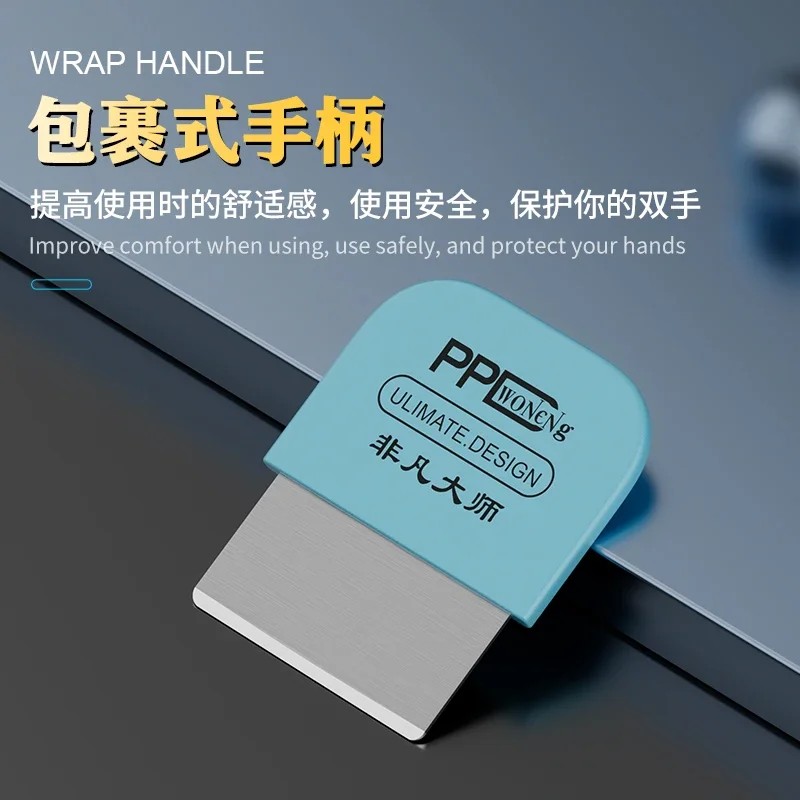
- Compact & Lightweight ProfileOffers fine fingertip control for micro-level repair work on dense motherboard layouts.
Technical Specifications
| Tool Category | Precision Electronics Opening & Pry Tool |
| Primary Material | Steel / Metal |
| Intended Use | Screen separation, battery disassembly, laptop housing prying, IC chip removal |
| Blade Thickness | Not specified in available data (Ultra-thin profile) |
| ESD / Electrical Insulation | Not specified in available data |
| Product Dimensions & Weight | Not specified in available data |
Pros & Cons
Pros
- Ultra-thin metal profile allows insertion into microscopic panel seams.
- Durable steel composition reduces tip wear and breaking compared to plastic opening tools.
- Versatile design supports screen separation, chip cleaning, and battery removal tasks.
Cons
- Metal material can scratch soft aluminum housings or glass edges if improper technique or excessive force is applied.
- Lack of confirmed handle insulation requires disconnecting power sources before prying near live components.
- Exact blade thickness measurements in millimeters are not specified in available product data.
FAQ
Yes. Because it is made of steel, using excessive leverage or improper angles can scratch soft plastic bezels or anodized aluminum housings. Pairing it with a heating pad or adhesive softener is recommended.
It can slice through underlying battery tape, but extreme care must be taken never to puncture or crease the soft battery casing with a metal edge.
The precise millimeter thickness is not specified in the available product details, though it is designed with an ultra-thin metal edge profile.
Electrical insulation and ESD ratings are not specified in the available product data, so cautious handling around live circuits is recommended.
Final Verdict
A practical choice for repair technicians needing a thin steel opening blade to slice through tough electronic adhesives. Skip this tool if you only perform casual repairs and prefer non-marring plastic spudgers to prevent potential cosmetic scratches.