


KOOTION M.2 NVMe SSD Review: PCIe 3.0 Performance & Specs
Problem & Solution
Traditional magnetic hard drives and older SATA-based SSDs can create severe system bottlenecks. Slow boot times, sluggish file transfers, and long application loading screens frequently degrade the overall performance of older desktops and laptops.
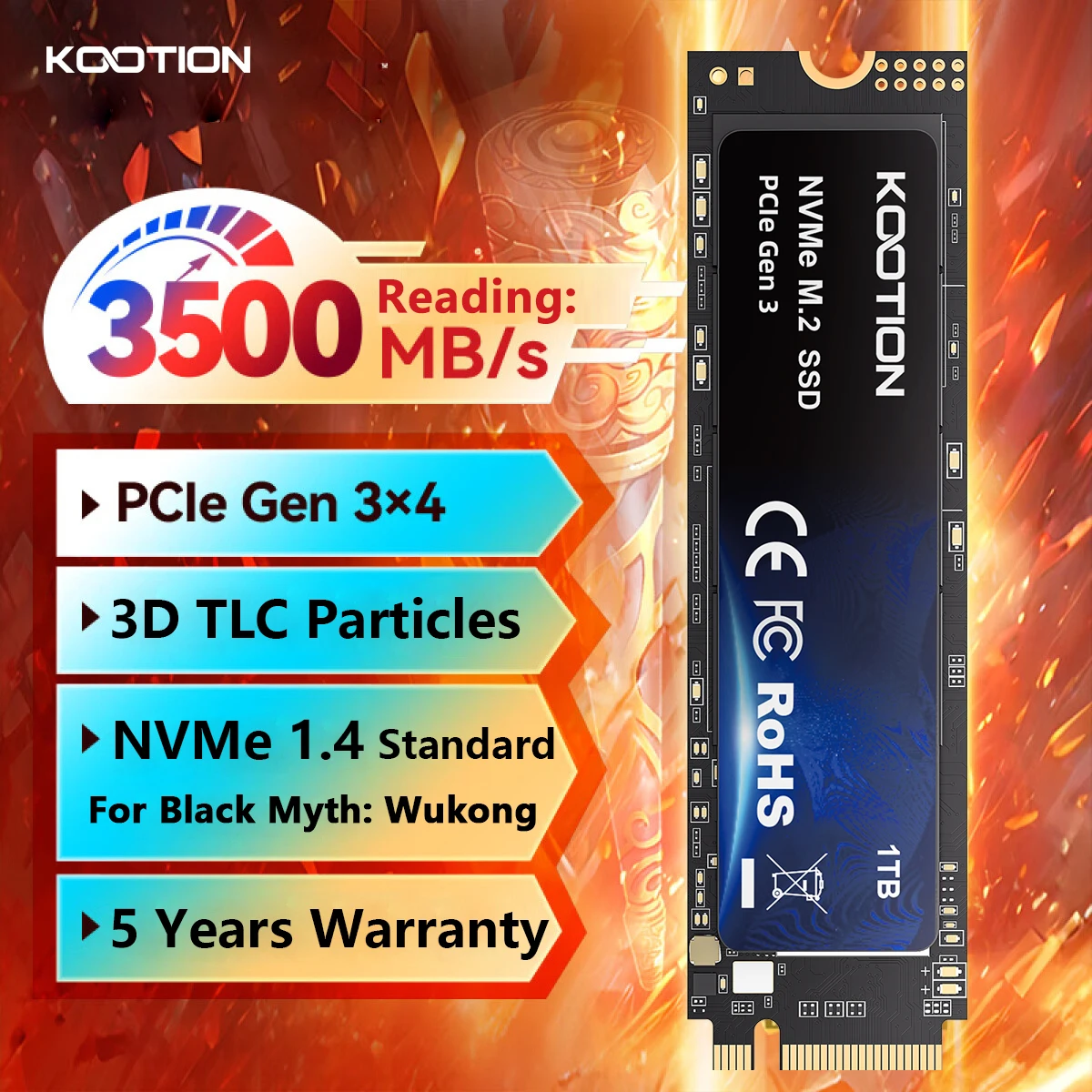
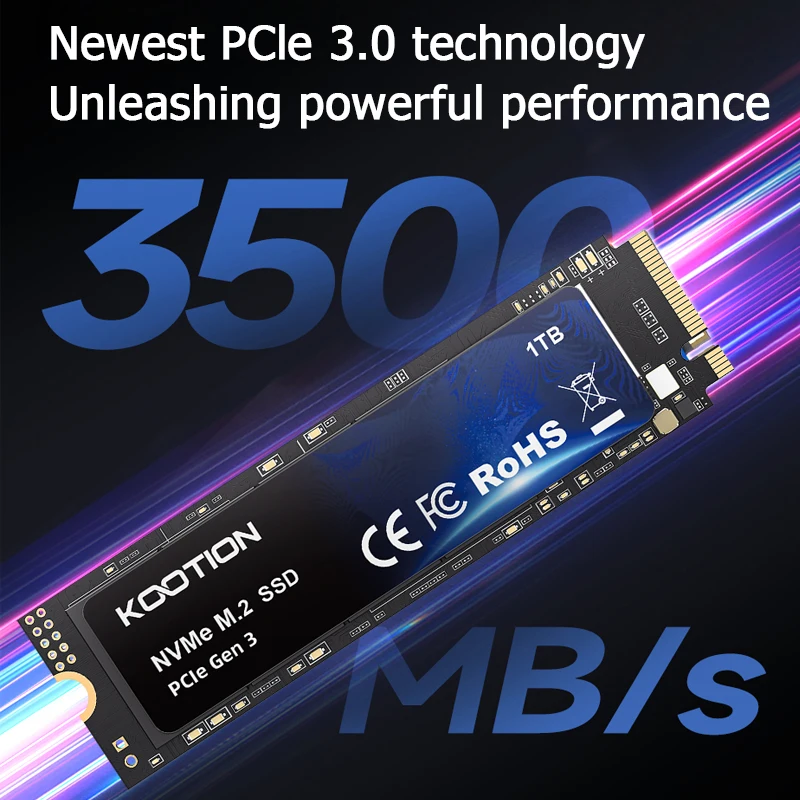
The KOOTION NVMe M.2 2280 SSD addresses these friction points by utilizing the PCIe 3.0 x4 high-speed interface. By slotting directly into compatible M.2 motherboard slots, it bypasses legacy SATA speed caps, providing a compact, low-profile storage upgrade for boot drives or dedicated media storage.
Who Is It For?
This internal drive is tailored for PC builders, desktop owners, and laptop users seeking to upgrade legacy storage or add expanded capacity (ranging from 256GB up to 2TB). It is suitable for everyday computing, content storage, and mid-range system upgrades where an M.2 2280 PCIe slot is available.
Key Features
- PCIe 3.0 x4 NVMe InterfaceBypasses standard SATA speed limits for faster system boot times and responsive file handling
- Standard M.2 2280 Form FactorMounts directly onto compatible motherboards without requiring extra power cabling or drive bays
- Flexible Capacity Options (256GB, 512GB, 1TB, 2TB)Provides storage choices suited for OS installation up to heavy file archiving
- Solid State DesignContains no mechanical moving parts, resulting in silent operation and enhanced durability against physical shocks
- Wide Platform SupportWorks across compatible Windows and Linux desktop PCs and laptops supporting NVMe M.2 drives
Technical Specifications
| Brand | KOOTION |
| Form Factor | M.2 2280 (22mm x 80mm) |
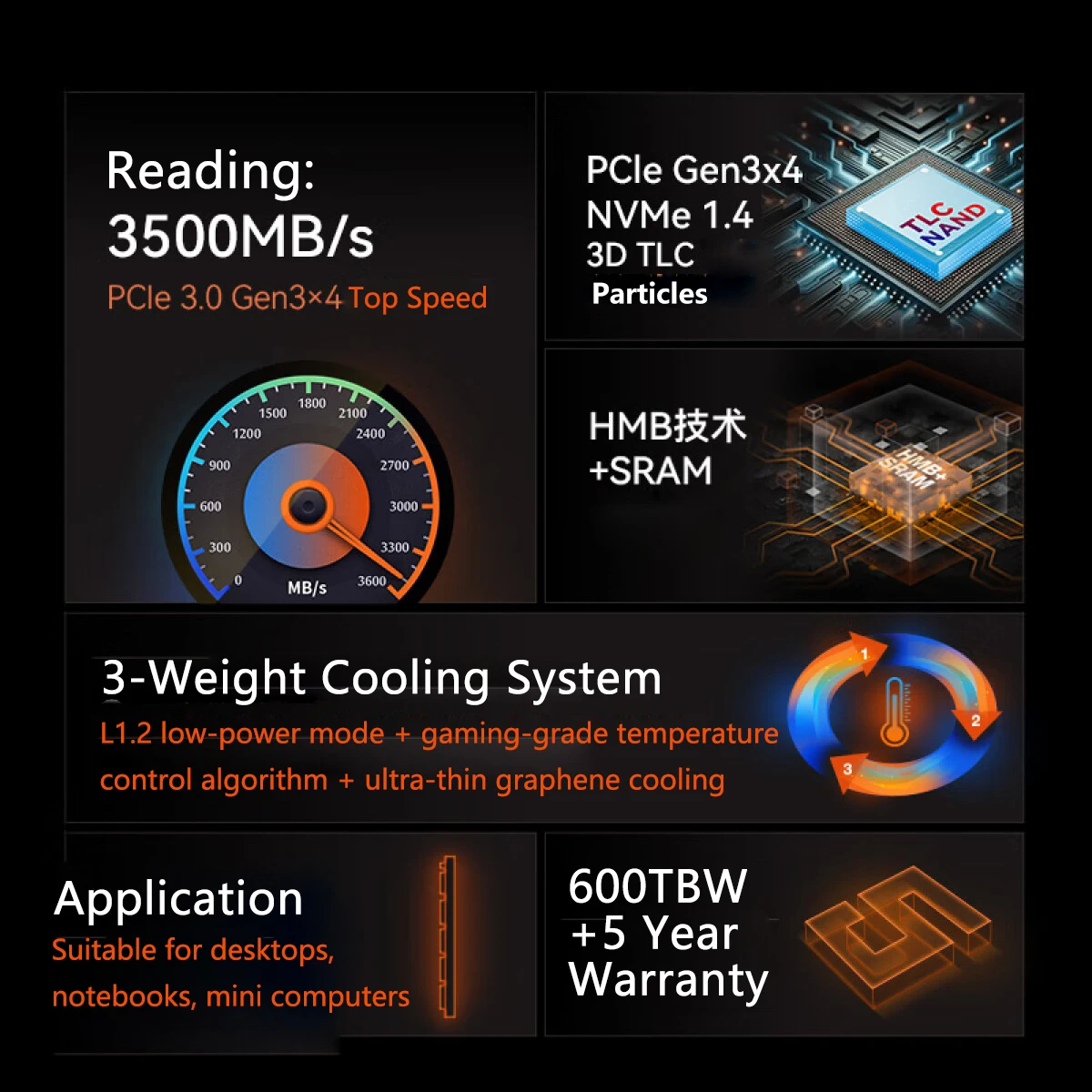
| Bus Interface | PCIe 3.0 x4 (Gen3) |
| Protocol | NVMe |
| Capacities Available | 256GB, 512GB, 1TB, 2TB |
| Device Type | Internal Solid State Drive (SSD) |
| Target Devices | PC / Laptop / Desktop |
| Sequential Read/Write Speeds | Not specified in available data |
| DRAM Cache / TBW | Not specified in available data |
Pros & Cons
Pros
- Standardized M.2 2280 physical footprint fits a wide variety of desktop motherboards and notebooks
- PCIe Gen3 x4 connection offers substantially higher data throughput limits than legacy 2.5-inch SATA SSDs
- Multiple capacity choices allow buyers to match their specific storage budget and drive requirements
Cons
- PCIe 3.0 bandwidth ceiling is lower compared to modern PCIe 4.0 or PCIe 5.0 drives
- Exact sequential read/write MB/s benchmarks and TBW endurance ratings are not specified in the product data
- Hardware accessories such as M.2 mounting screws or heatsinks are not explicitly listed as included
FAQ
It will fit if your motherboard or laptop features an M.2 slot that supports the standard 2280 physical size (22mm wide, 80mm long) and the NVMe PCIe protocol. Always check your device specifications before purchasing.
Specific sequential read and write throughput speeds are not explicitly detailed in the available product data. As a PCIe 3.0 x4 drive, performance will operate within standard Gen3 NVMe operational parameters.
Yes, PCIe slots are backward compatible. A PCIe 3.0 NVMe SSD will function in a PCIe 4.0 socket, though it will operate at PCIe 3.0 speeds.
DRAM cache presence, controller brand, and mounting hardware inclusions are not specified in the provided product documentation.
Final Verdict
A practical storage expansion option for users with PCIe 3.0 M.2 slots. Recommendable for budget PC builds and laptop upgrades if your primary concern is replacing slow HDDs or expanding capacity up to 2TB, but high-end gamers and heavy video editors seeking PCIe 4.0 maximum speeds should consider faster alternatives.