


0.91 Inch SSD1306 I2C OLED Display Review: Best for Arduino
What People Say
This tiny screen is perfect for my custom Arduino watch; it's bright and super easy to wire up.
Unbelievable value for $2.25. It works perfectly with my ESP32 projects right out of the box.
The display is incredibly sharp for its size. I've bought five of these already for various sensor nodes.
Problem & Solution
For DIY electronics enthusiasts, finding a display that fits into tiny, space-constrained projects can be incredibly frustrating. Large LCDs often look clunky and consume too much power, ruining the sleek aesthetic of your custom Arduino build. You want to see your sensor data or status updates clearly without building a bulky interface.
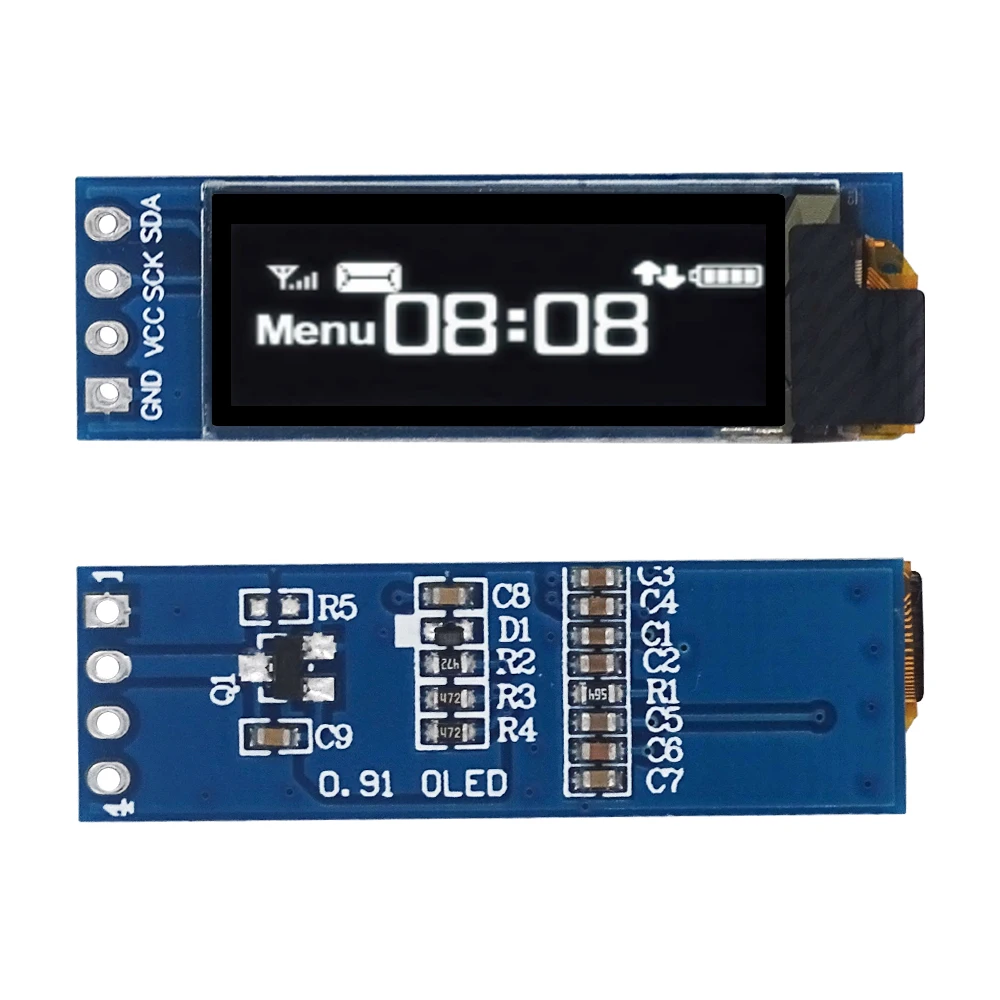
The 0.91-inch SSD1306 I2C OLED module is the perfect solution to this dilemma. Its ultra-compact footprint and crisp, high-contrast display allow you to integrate professional-looking feedback into even the smallest enclosures. Because it uses the I2C protocol, you only need two pins to get it running, leaving your microcontroller's other ports free for sensors and actuators.
Who Is It For?
This module is designed for hobbyist makers, robotics engineers, and students working with Arduino, ESP32, or Raspberry Pi Pico platforms. It is the go-to choice for anyone building wearable tech, compact data loggers, or miniature smart home controllers who needs a reliable visual output that doesn't sacrifice precious space.
Key Features
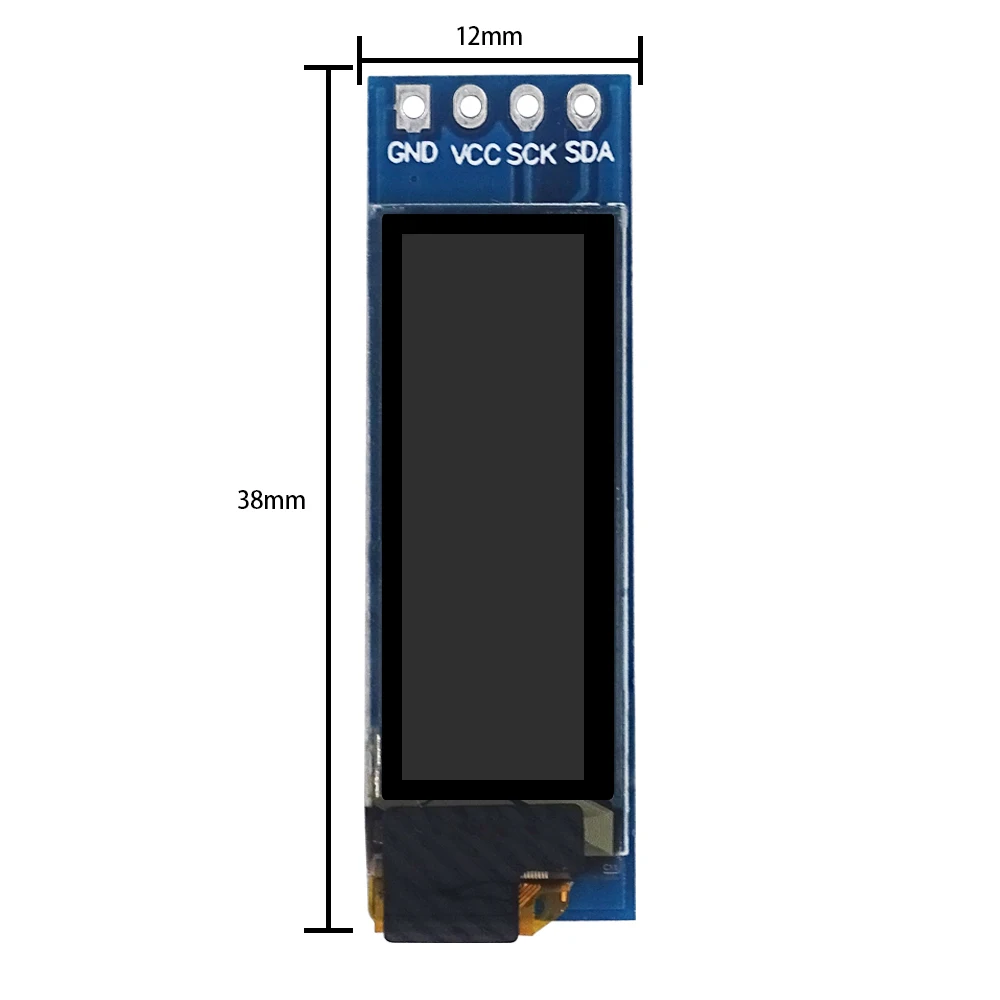
- 0.91-inch screen sizePerfectly fits into micro-sized DIY projects and wearables.
- SSD1306 driver chipEnsures wide compatibility with popular Arduino libraries like Adafruit GFX.
- I2C communication interfaceSaves precious pins by using only SDA and SCL connections.
- Wide 3.3V-5V input rangeProvides flexibility for both 3.3V and 5V microcontroller logic levels.
- High contrast OLED technologyEliminates the need for a backlight while maintaining excellent visibility.
- Low power consumptionIdeal for battery-powered projects that require long-term operation.
Pros & Cons
Pros
- Extremely compact and lightweight design
- Incredibly affordable at just $2.25
- Easy to wire and code with standard libraries
- Crisp, sharp text and graphics
Cons
- Small screen area makes detailed graphics difficult to read
- Fixed I2C address can be limiting if using multiple displays
FAQ
No, it is an OLED display, meaning each pixel emits its own light, providing perfect contrast without a backlight.
Yes, the module supports a 3.3V to 5V input, making it fully compatible with standard Arduino Uno logic.
The 'Adafruit SSD1306' and 'Adafruit GFX' libraries are the industry standard and work seamlessly with this module.
While OLEDs are bright, they are best suited for indoor use; direct, intense sunlight can make them harder to read.
Final Verdict
The 0.91-inch SSD1306 OLED module is an essential component for any maker's toolkit. Its combination of an ultra-low price point, minimal pin usage, and high-quality visual clarity makes it the gold standard for small-scale DIY electronics. If you need a reliable, professional-looking display for your next Arduino project, this module is an unbeatable value.