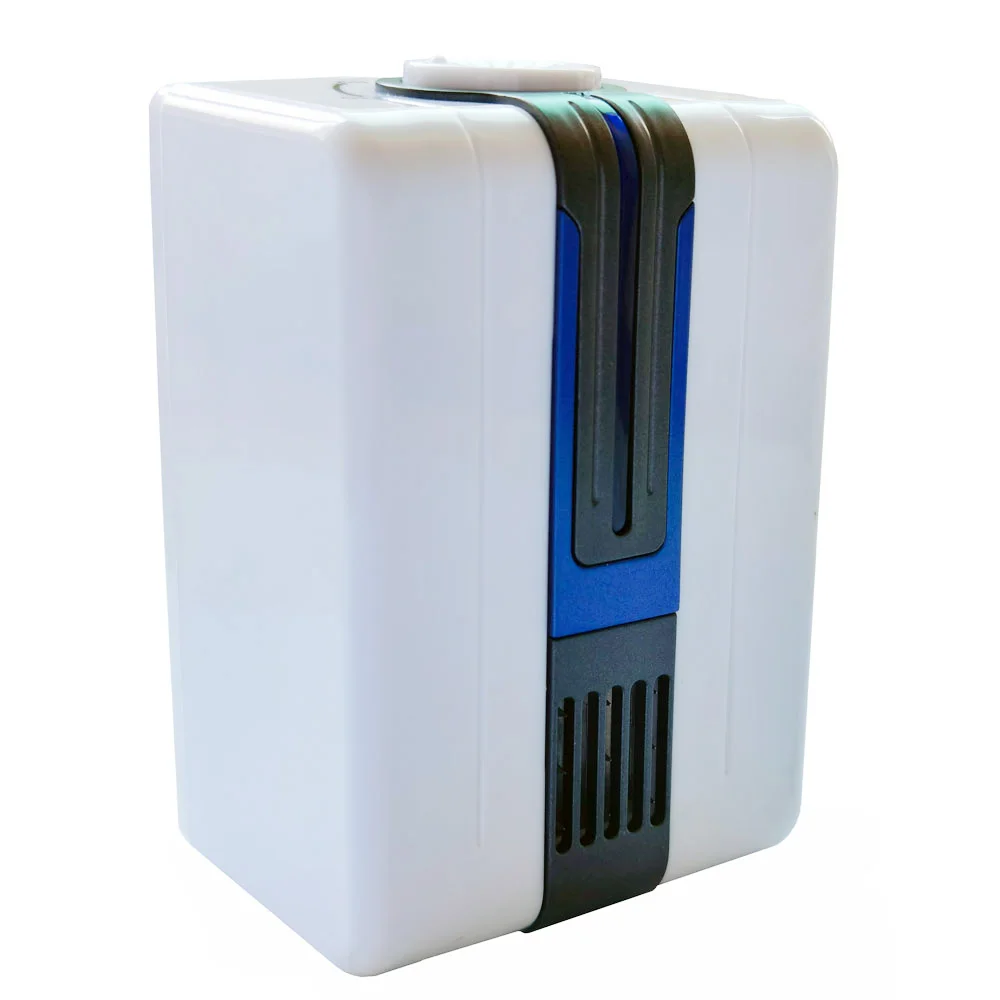
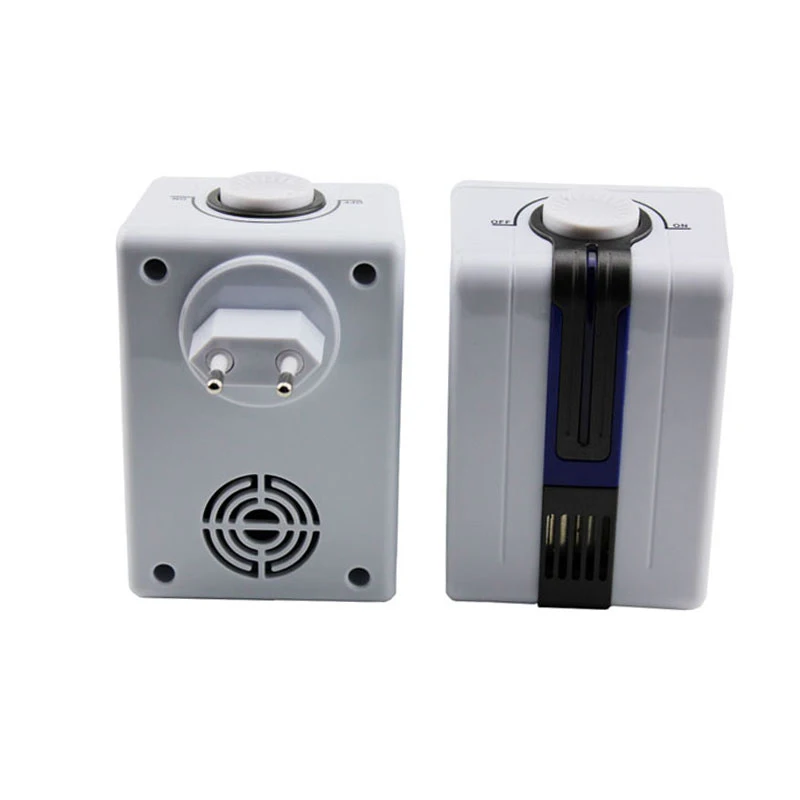
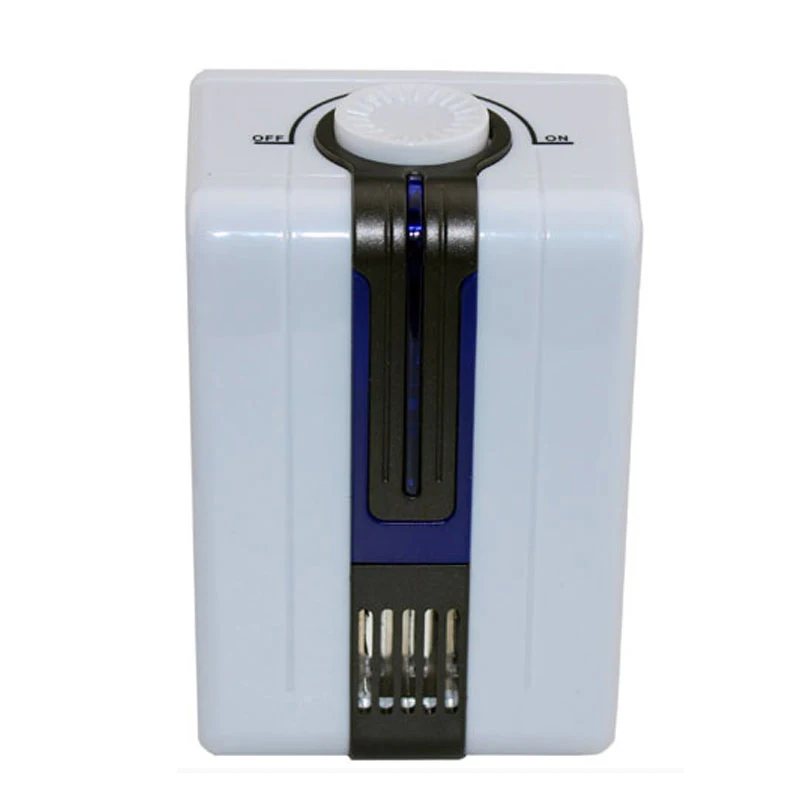
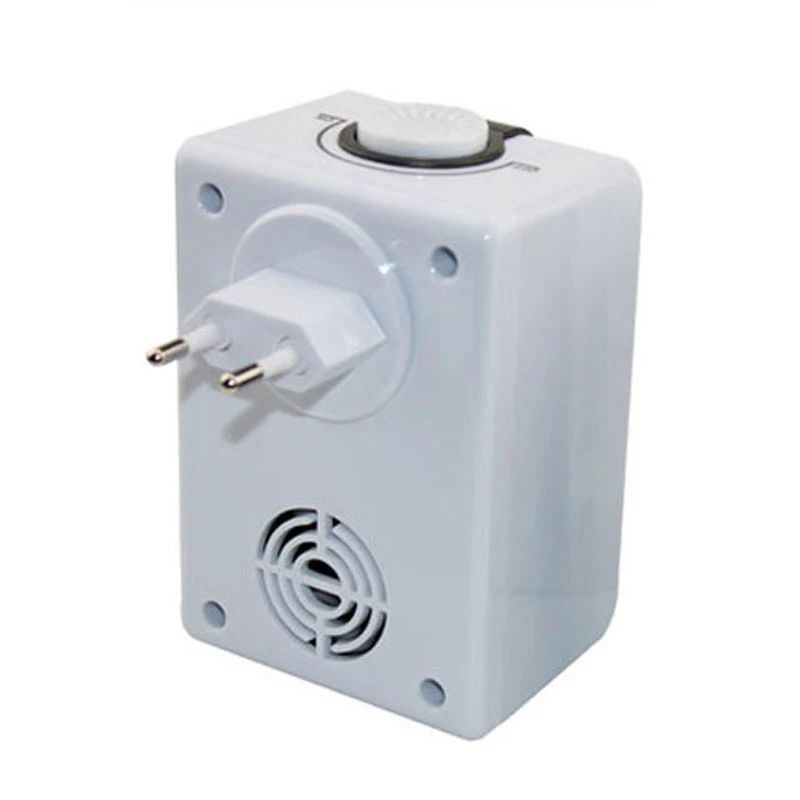
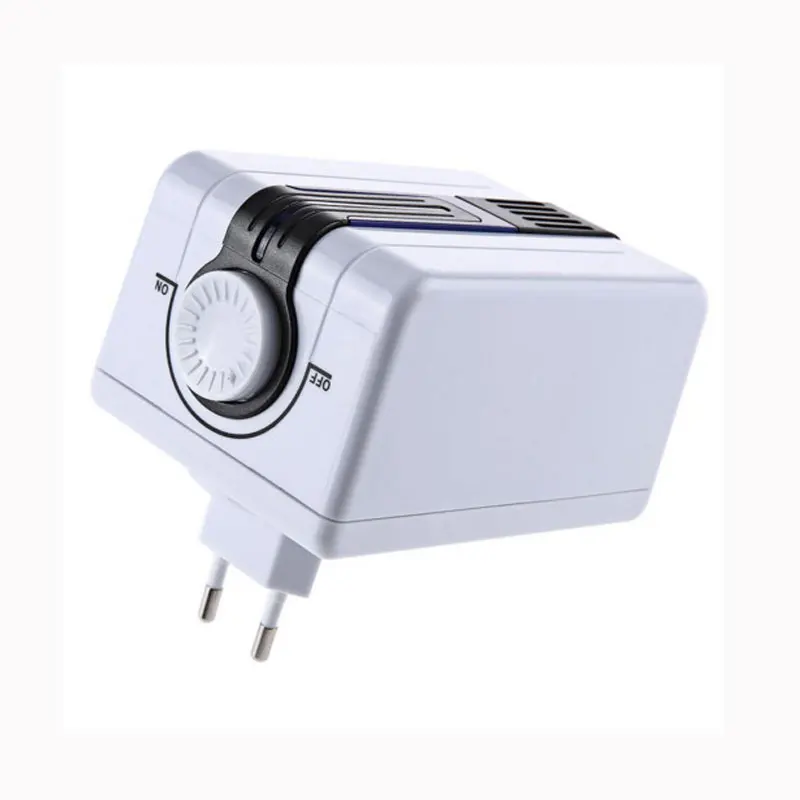
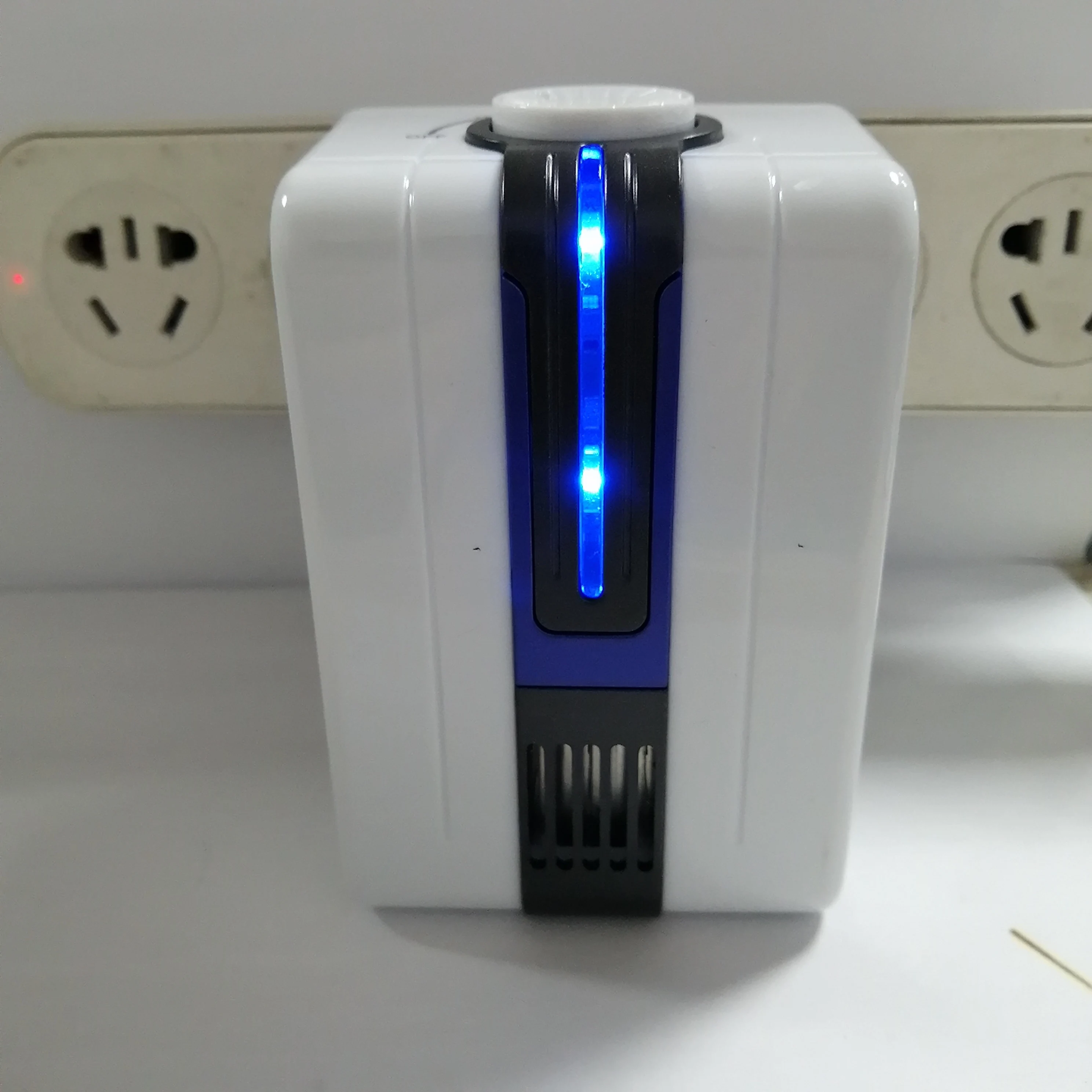
Problem & Solution
Trapped indoor odors, lingering smoke particles, and stale room air can be difficult to eliminate with traditional aerosol sprays or simple fragrance dispensers, which only mask bad smells temporarily. Damp environments and poorly ventilated rooms often harbor persistent ambient odors and airborne micro-organisms.
This Home Ionizer Purifier and Ozonator approaches the problem by combining active negative ion release with ozone generation. Ozone chemically interacts with odor molecules and organic compounds to break them down, while negative ions help settle floating particles, offering an active treatment option for room air.
Who Is It For?
This device is designed for homeowners, renters, or pet owners who need to target stubborn organic smells, smoke residue, or musty air in small to mid-sized spaces like bedrooms, bathrooms, storage areas, or entryway closets.
It is ideal for users seeking a filterless, low-maintenance air freshening solution. However, individuals looking strictly for heavy particulate or dust filtration should pair or replace it with a dedicated high-efficiency particulate air (HEPA) system.
Key Features
- Dual Ionizer & Ozonator Output — Combines negative ion generation with ozone oxidation to target ambient odors and airborne particles.
- Active Odor Elimination — Designed to oxidize smoke residue, pet odors, and stale organic smells rather than covering them up.
- Airborne Contaminant Reduction — Uses active air treatment aimed at reducing bacteria and micro-organisms in localized room spaces.
- Filterless Operation — Functions electronically without needing physical HEPA or charcoal filter replacements.
- Compact Room Design — Lightweight, low-profile build suitable for wall sockets or small counter placement.
Technical Specifications
| Product Category | Home Air Purifier / Ionizer / Ozonator |
| Purification Technology | Negative Ions & Ozone (O3) Generation |
| Target Contaminants | Smoke, Peculiar Odors, Bacteria, Viruses |
| Filter Type | Filterless (Electronic) |
| Coverage Area | Not specified in available data |
| Power Consumption | Not specified in available data |
| Noise Output | Not specified in available data |
| Dimensions & Weight | Not specified in available data |
Pros & Cons
Pros
- Provides active chemical breakdown of lingering organic odors and smoke
- Eliminates ongoing costs associated with physical filter replacements
- Compact form factor suited for targeted room placement
- Simple operation designed for localized air treatment
Cons
- Exact coverage area and CADR (Clean Air Delivery Rate) are not specified in available data
- Does not collect dust, pollen, or solid allergens like a HEPA filter system
- Requires proper usage awareness regarding ozone exposure in occupied spaces
FAQ
An ionizer charges airborne particles so they clump together and fall onto nearby surfaces. An ozone generator produces trioxygen molecules (O3) that actively oxidize and neutralize odor-causing compounds and airborne bacteria.
No, based on available product specifications, this unit operates via electronic ion and ozone production and does not use replaceable physical filters.
The maximum effective coverage area in square feet or meters is not specified in available product data. It is typically best suited for small to medium localized spaces.
Because ozone generation levels are not explicitly detailed in the available specs, it is recommended to follow standard safety precautions: run ozone functions intermittently or in unoccupied rooms, ensuring adequate ventilation afterward.
Final Verdict
A specialized tool for tackling stubborn room odors, stale air, and smoke without recurring filter expenses. Recommended for buyers who need localized deodorization and understand basic ozone safety precautions. Skip if your priority is removing physical dust, pollen, or pet dander.