
Problem & Solution
Traditional pet containment systems often require burying physical boundary wires, demanding extensive yard digging, ongoing wire maintenance, and the constant risk of underground line breaks. Conventional radio-frequency wireless fences also suffer from strict distance limits and signal interference from wall barriers, making them impractical for larger properties or open rural terrain.
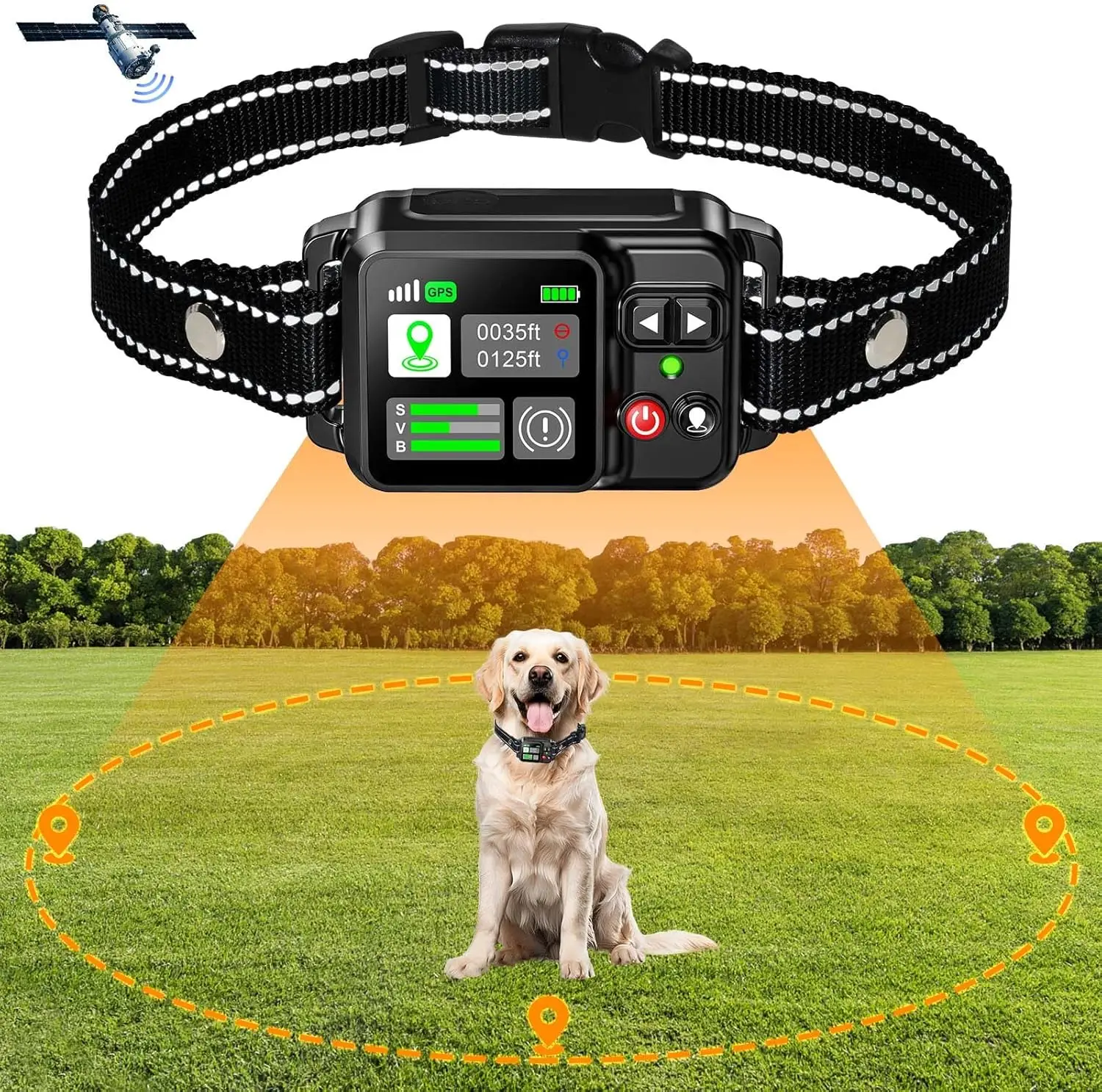
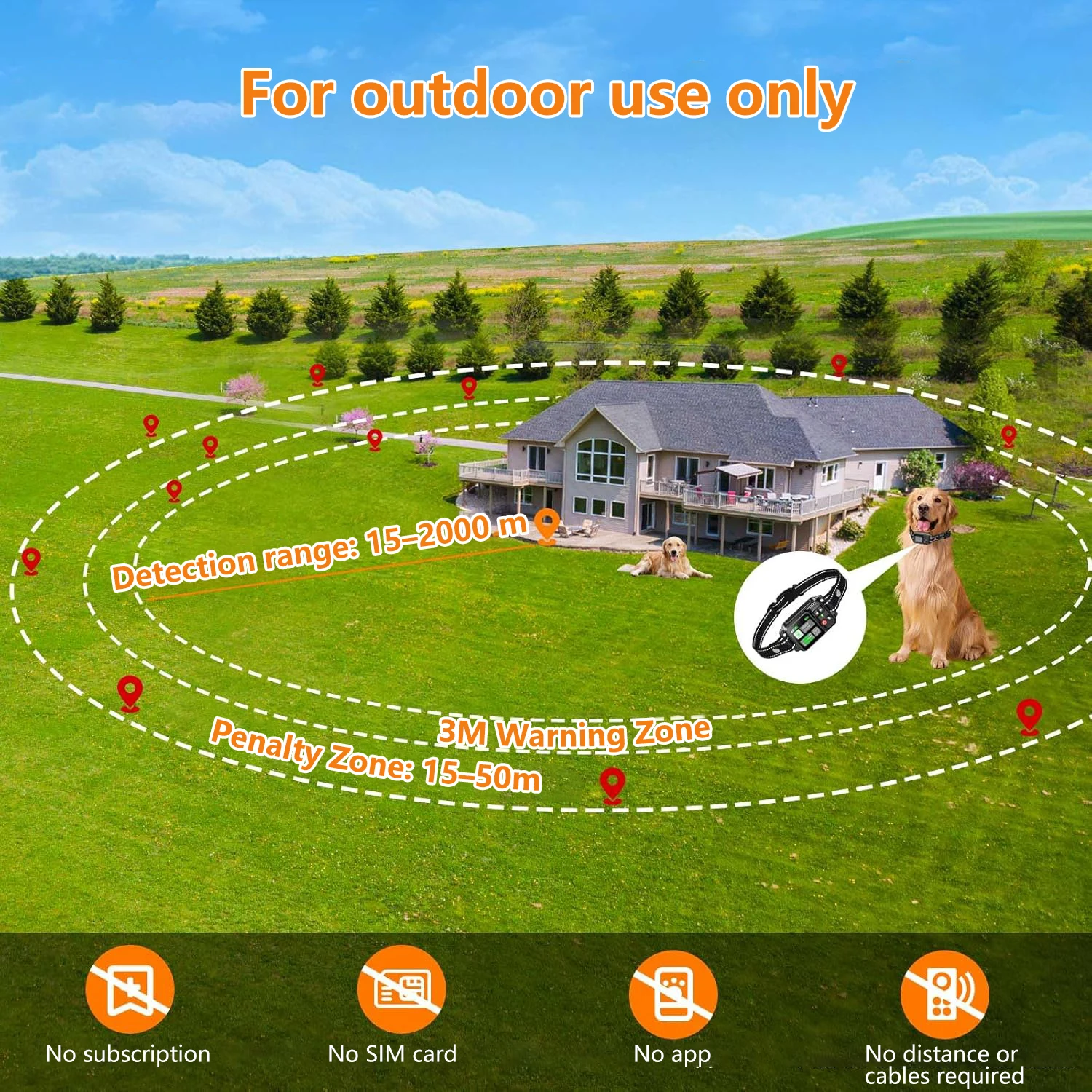
The GPS Wireless Dog Fencing System addresses these installation and range limitations by utilizing satellite positioning technology rather than physical wire loops or stationary indoor transmitters. With a customizable perimeter radius spanning from 15 meters up to 2000 meters, it enables pet owners to establish wide-area containment boundaries across large yards, farms, or open spaces without physical installation labor.
Who Is It For?
This system is designed primarily for dog owners with medium-to-large outdoor areas, rural acreage, or open properties who need an adjustable containment boundary without digging trenches for physical wires. It is particularly suitable for pet owners requiring broad coverage up to a 2000-meter radius where traditional radio transmitters fail to reach.
It may be less suitable for homeowners with small enclosed courtyards under dense tree cover or those seeking an indoor pet barrier, as satellite-based positioning relies on sky visibility to maintain consistent boundary signal tracking.
Key Features
- GPS Satellite PositioningEliminates the need for physical underground boundary wires or stationary transmitter boxes.
- Adjustable Boundary Radius (15m to 2000m)Allows customized perimeter settings ranging from standard yards to extensive open land.
- Wireless PortabilityCan be reconfigured or relocated for travel or property moves without uninstalling physical hardware.
- Extensive Coverage CapacitySupports broad circular boundary coverage up to a 2-kilometer radius for expansive outdoor areas.
Technical Specifications
| Technology Type | GPS Satellite Wireless Positioning |
| Boundary Range | Adjustable 15m to 2000m radius |
| Installation Requirement | Wire-free (No physical cable digging required) |
| Usage Environment | Outdoor open space with satellite line-of-sight |
| Correction Modes | Not specified in available data |
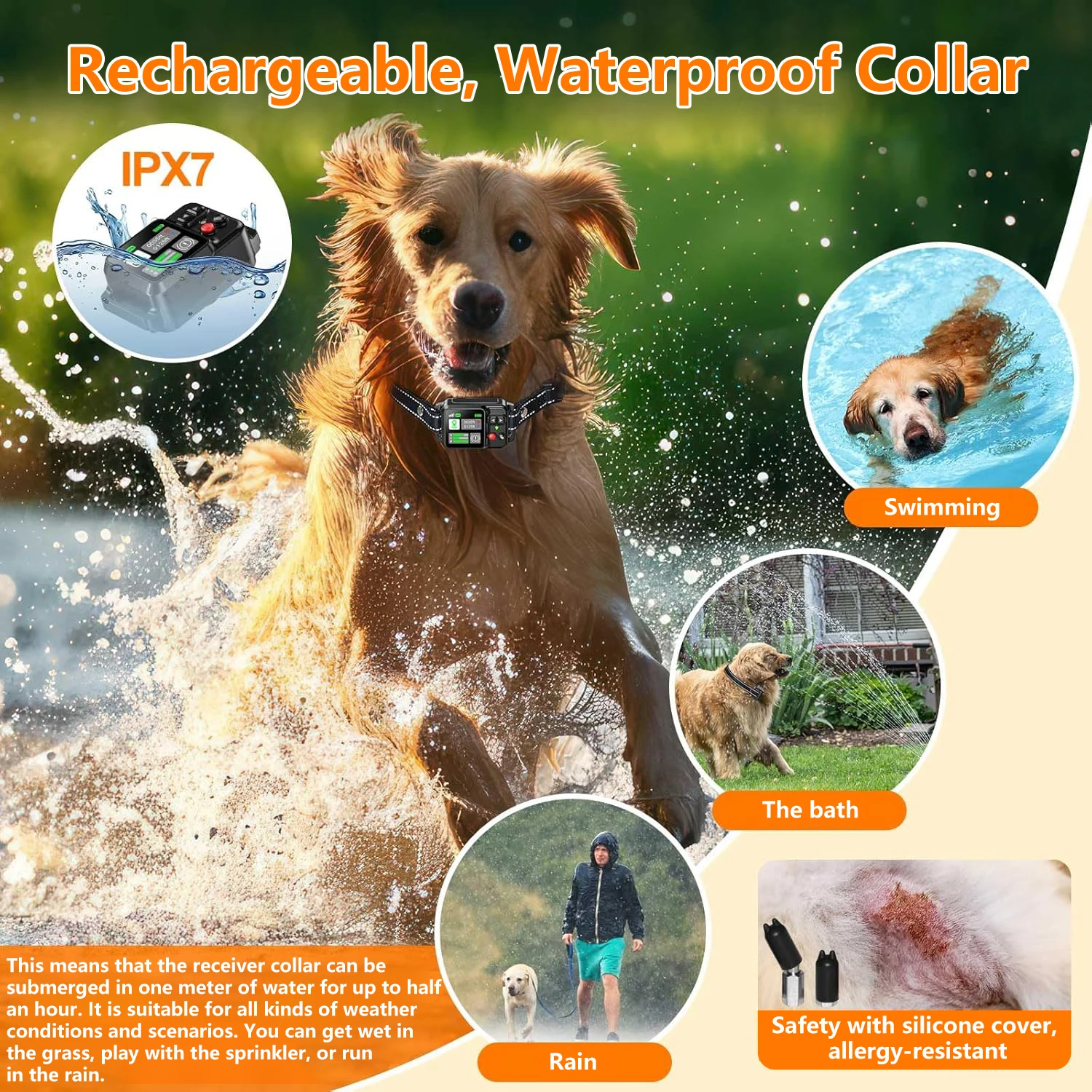
| Waterproof Rating | Not specified in available data |
| Battery Capacity | Not specified in available data |
| Collar Weight / Dimensions | Not specified in available data |
Pros & Cons
Pros
- No underground wire installation or trench digging required
- Extensive maximum boundary radius up to 2000 meters
- Flexibility to adjust distance settings down to a 15-meter radius
- Wireless design allows easy relocation and property boundary adjustments
Cons
- GPS boundary stability requires open line-of-sight to the sky and may degrade indoors or under heavy tree canopy
- Collar strap dimensions, weight, and battery life details are not specified in available product data
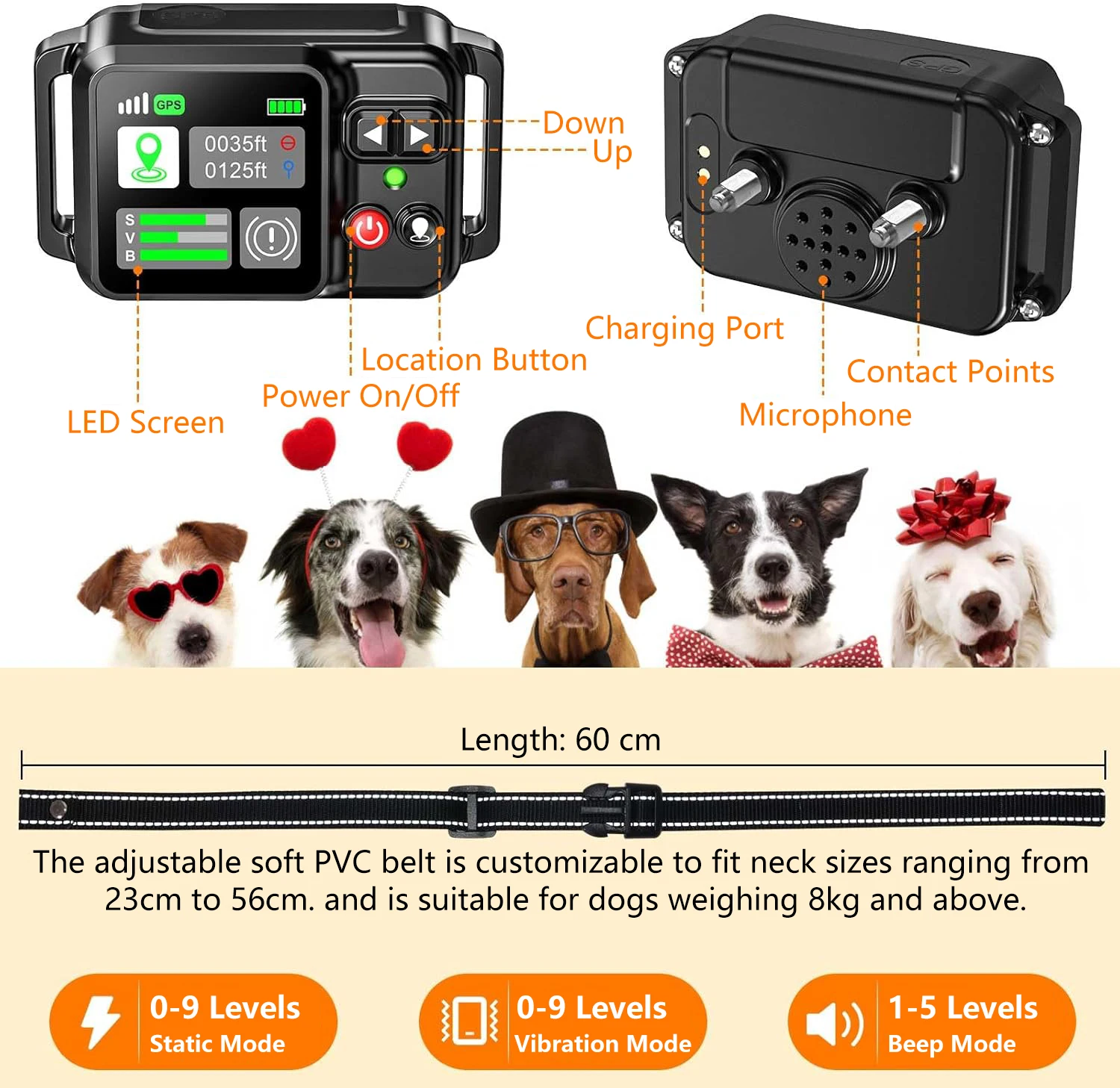
- Specific correction modes (such as beep, vibration, or static shock levels) are not detailed in available data
FAQ
No, this system utilizes GPS satellite positioning technology to establish a virtual boundary wireless perimeter without physical buried cables.
The boundary radius can be adjusted from a minimum of 15 meters up to a maximum radius of 2000 meters based on available data.
Satellite positioning systems generally require clear sky visibility, so reliable indoor operation is not supported or recommended.
Specific battery capacity, runtime, and charging duration are not specified in the available product data.
Final Verdict
The GPS Wireless Dog Fencing System offers a convenient, wire-free containment option for pet owners managing medium to large outdoor properties. Its standout asset is the expansive 15m to 2000m adjustable satellite boundary, bypassing the physical labor of wire installation. However, buyers should remember that satellite-based boundaries require open sky access and may experience signal degradation near high structure walls or under heavy foliage. It is best suited for open outdoor spaces, while small-yard or indoor users should evaluate local GPS reception before ordering.