Desktop Filament Extruder Review: Recycle Plastic at Home
What People Say
I was skeptical, but after a few trials, I'm now printing with my own recycled PLA. It’s saved me a fortune on filament costs.
Perfect size for my home studio. It’s satisfying to turn my failed prints back into usable material.
A must-have for any serious 3D printing lab. It takes some practice, but the performance is surprisingly professional for the price.
Problem & Solution
For every 3D printing enthusiast, the byproduct of failed prints and discarded plastic waste is a mounting frustration. Not only is it an environmental burden, but it is also a significant waste of money. You find yourself constantly purchasing new spools while your bin fills up with perfectly reusable plastic scraps that go to waste.
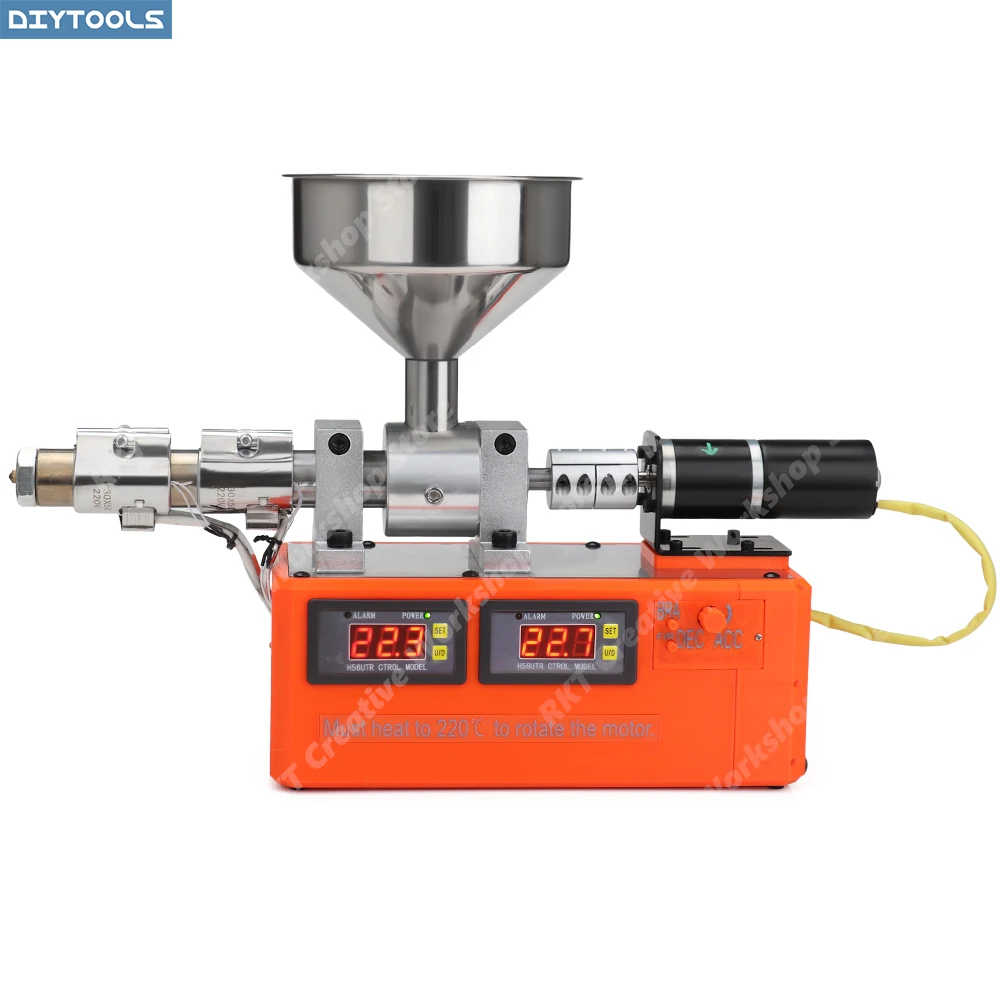
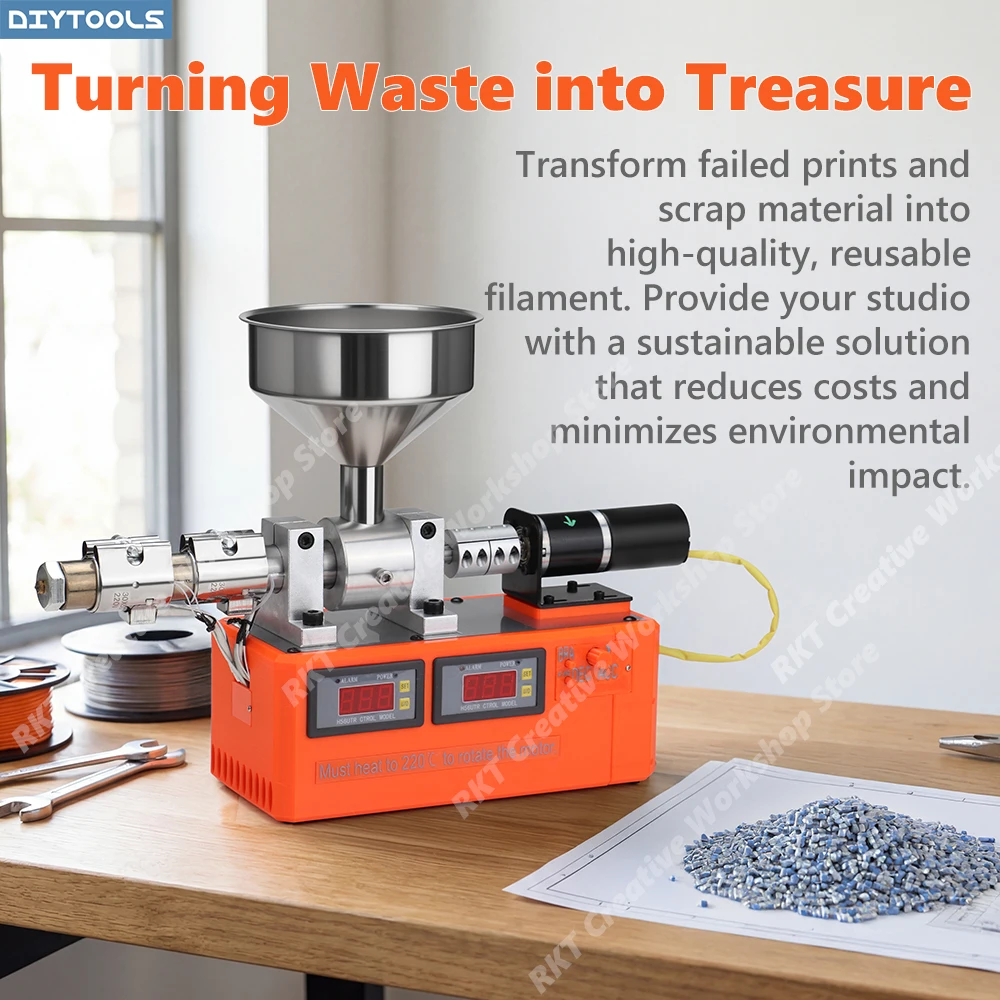
This desktop filament extruder solves this dilemma by bringing industrial-grade recycling directly to your workbench. By transforming your scrap plastic into high-quality printing wire, you close the loop on your manufacturing process. It turns a source of clutter into a sustainable, cost-effective resource, allowing you to print more while spending significantly less on raw materials.
Who Is It For?
This machine is designed for dedicated 3D printing hobbyists, eco-conscious makers, and small-scale prototyping labs looking to optimize their workflow. It is perfect for those who want to reduce their environmental footprint without sacrificing the quality of their 3D prints.
It is also an excellent tool for educators and engineering students who want to explore the mechanics of micro plastic extrusion and material science in a hands-on, desktop-friendly environment.
Key Features
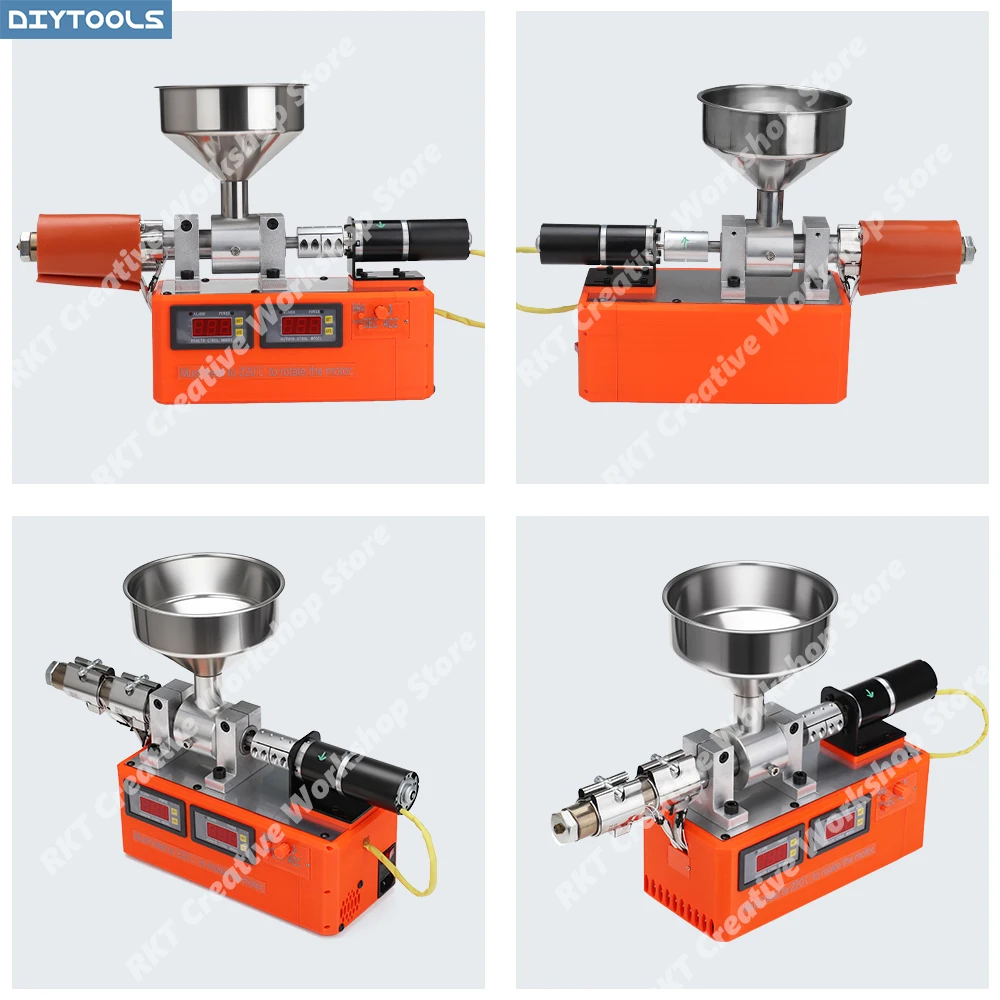
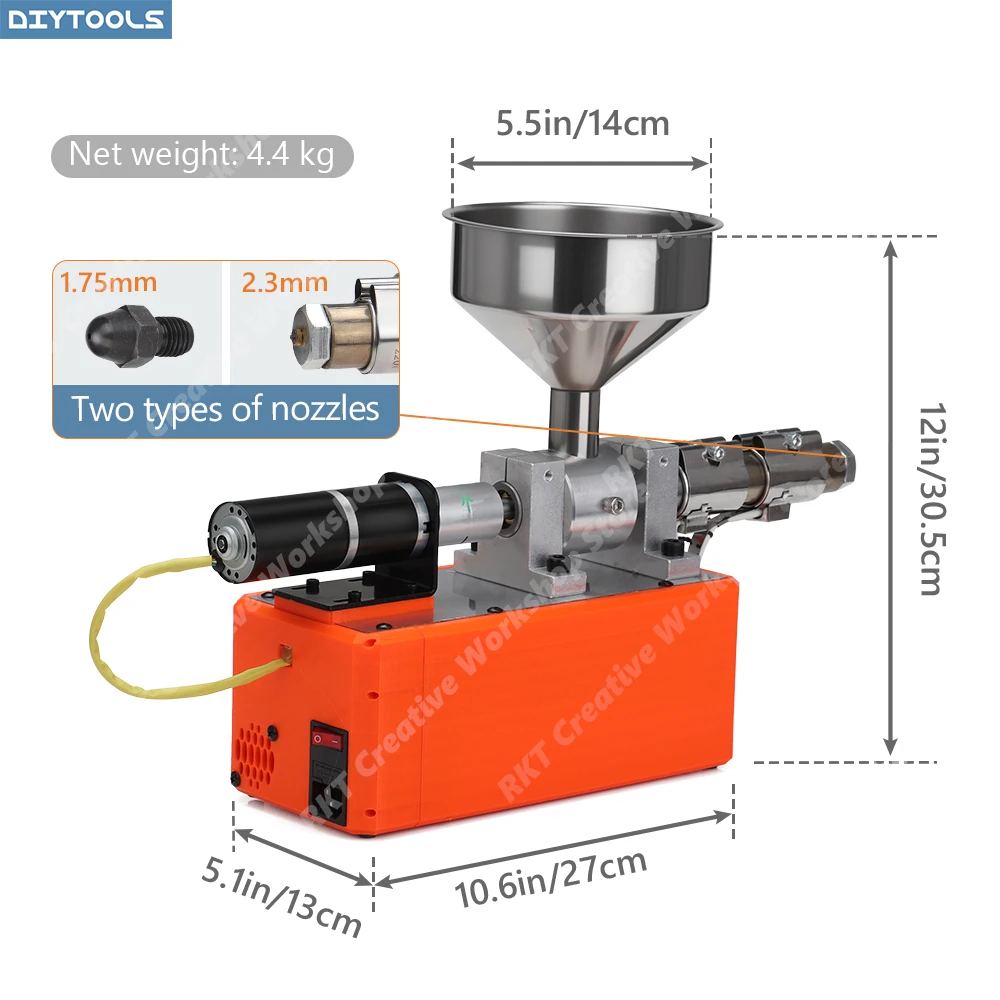
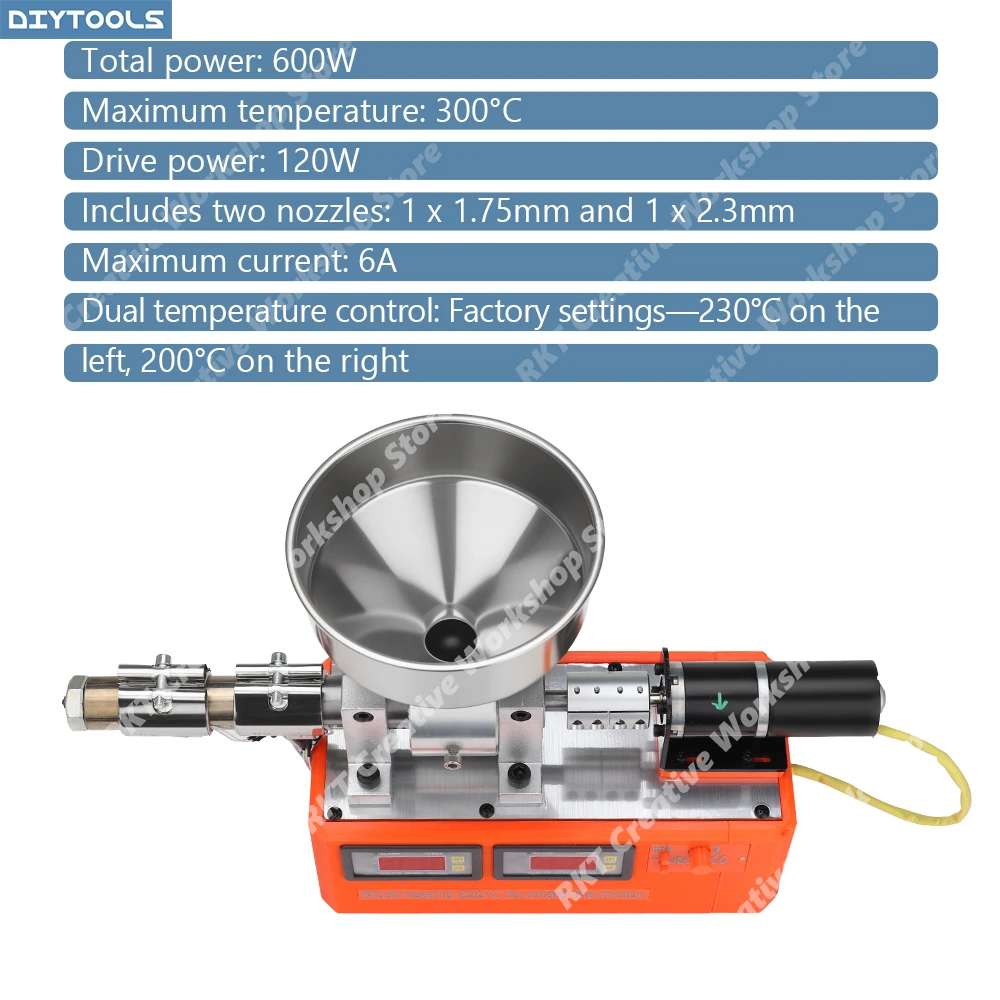
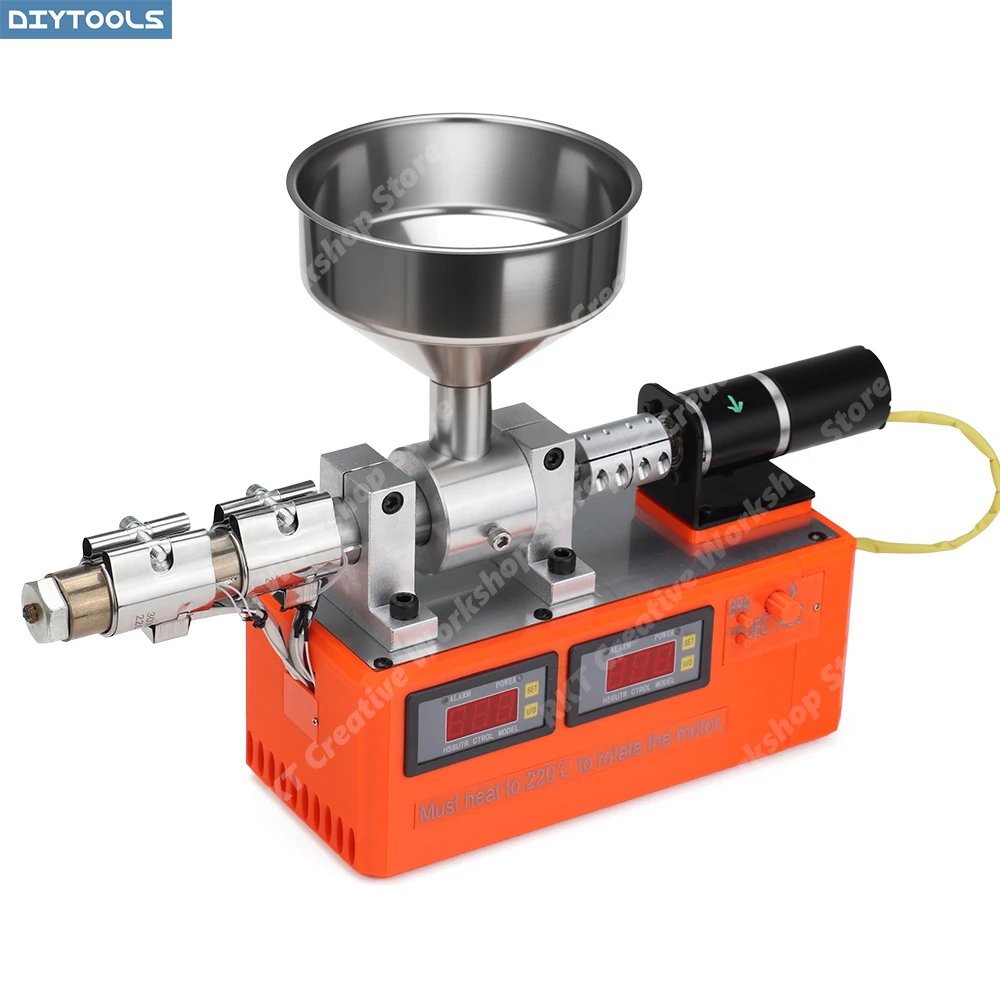
- Compact Desktop DesignSaves valuable workspace while maintaining industrial power.
- Precision Single-Screw MechanismEnsures consistent filament diameter for reliable printing.
- Waste-to-Filament ConversionReduces material costs by recycling failed prints and plastic scraps.
- Micro-Extrusion ControlAllows for experimentation with different plastic types and custom mixtures.
- Integrated Heating SystemProvides stable temperature regulation for smooth, jam-free extrusion.
- User-Friendly InterfaceSimplifies the complex process of filament production for beginners.
Pros & Cons
Pros
- Significantly lowers long-term 3D printing material costs.
- Eco-friendly solution that minimizes plastic landfill waste.
- Compact footprint fits easily on a standard desk or workbench.
- Offers complete control over filament color and material properties.
Cons
- Requires a learning curve to master the ideal extrusion temperatures.
- Manual processing of waste plastic into small pellets is required beforehand.
FAQ
This machine is optimized for common 3D printing plastics like PLA and ABS, provided they are shredded into small pellets first.
The unit is designed for ease of use; however, you will need to calibrate the temperature based on the specific plastic type you are recycling.
Yes, it is designed to produce standard 1.75mm filament, though minor adjustments may be needed to ensure consistent diameter.
It is energy-efficient and designed for desktop use, drawing minimal power compared to industrial-scale extruders.
Final Verdict
The Desktop Filament Extruder is a game-changer for the conscious maker. While it requires a bit of manual preparation—specifically shredding your waste—the ability to create your own filament for a fraction of the market price is an incredible value. For those committed to sustainability and reducing their overhead, this machine is a robust, reliable, and highly rewarding investment.