


Problem & Solution
Cyclists who want to track their current velocity, trip distance, or total cumulative mileage during regular commutes or recreational trail rides often struggle with smartphone apps. Mounting a phone on handlebars exposes delicate electronics to road vibrations, consumes mobile battery quickly, and can be difficult to read in bright outdoor sunlight.
A dedicated handlebar-mounted cycling odometer provides a direct solution by maintaining an always-on display dedicated strictly to ride metrics. By measuring wheel rotation directly via a hardwired magnet and fork sensor, it avoids cellular reliance, signal dropping, and heavy power consumption.
Who Is It For?
This product is best suited for bicycle commuters, casual road riders, and mountain bike enthusiasts who want a simple, standalone gauge for monitoring speed and distance metrics. It appeals to riders who prefer straightforward mechanical setups over complex multi-device sync routines.
It is less suited for competitive endurance athletes who require GPS route logging, heart rate sensor integration, cadence monitoring, or direct synchronization with online athletic training platforms.
Key Features
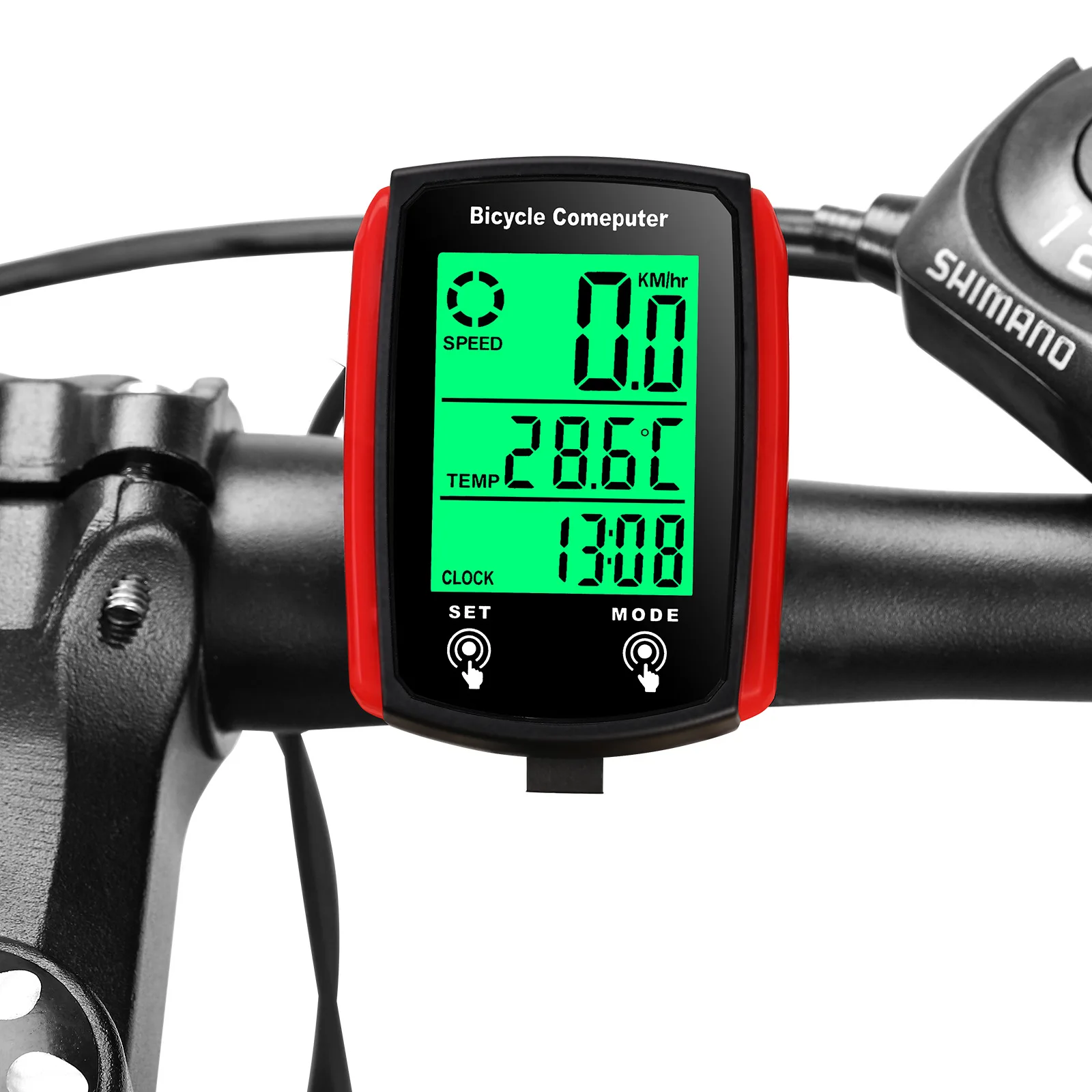
- LCD Display ScreenDisplays speed and distance numbers clearly for quick glance checking while riding
- Wired Sensor ConnectionEliminates wireless signal interference and battery drain on the sensor unit
- Bicycle Odometer & Speedometer TrackingHelps monitor daily ride metrics, trip length, and overall mileage for bike maintenance schedules
- Universal Handlebar & Fork CompatibilityFits a wide range of standard bicycle cockpits including commuter and mountain bike frames
- Compact Handlebar FootprintMounts securely on handlebars without obstructing brake lines or gear shifters
Technical Specifications
| Display Type | LCD Screen |
| Connection Type | Wired Sensor |
| Primary Functions | Speedometer, Bicycle Odometer |
| Vehicle Compatibility | Standard Bicycles, Mountain Bikes |
| Mounting Location | Handlebar Unit & Front Fork Sensor |
| Power Source | Internal cell battery (exact model not specified) |
| Wireless Capabilities | None (Wired interface) |
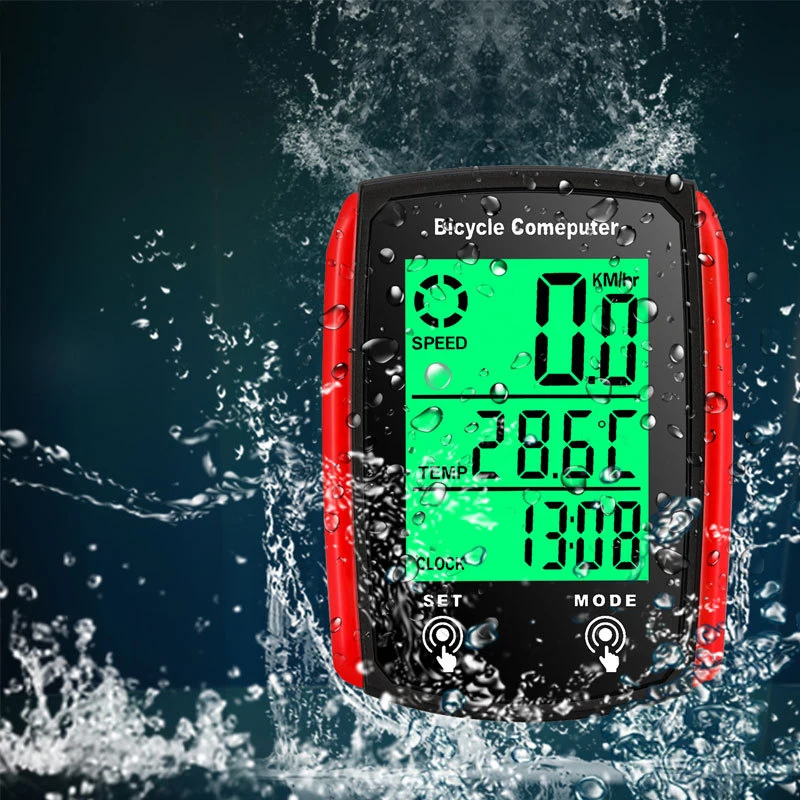
| Water Resistance Rating | Not specified in available data |
Pros & Cons
Pros
- Wired signal transmission prevents wireless disconnection or external signal interference
- Dedicated LCD readout avoids the battery drain and vibration risk of mounting a smartphone
- Physical wheel-spoke sensor measures direct rotation for immediate speed updates
- Minimal power draw compared to active handheld GPS monitors
Cons
- Requires careful initial installation and cable routing along the front brake hose or fork leg
- Specific IP ingress water-resistance protection level is not explicitly listed in available specs
- Lacks Bluetooth, ANT+, or smartphone app connectivity for data exporting
FAQ
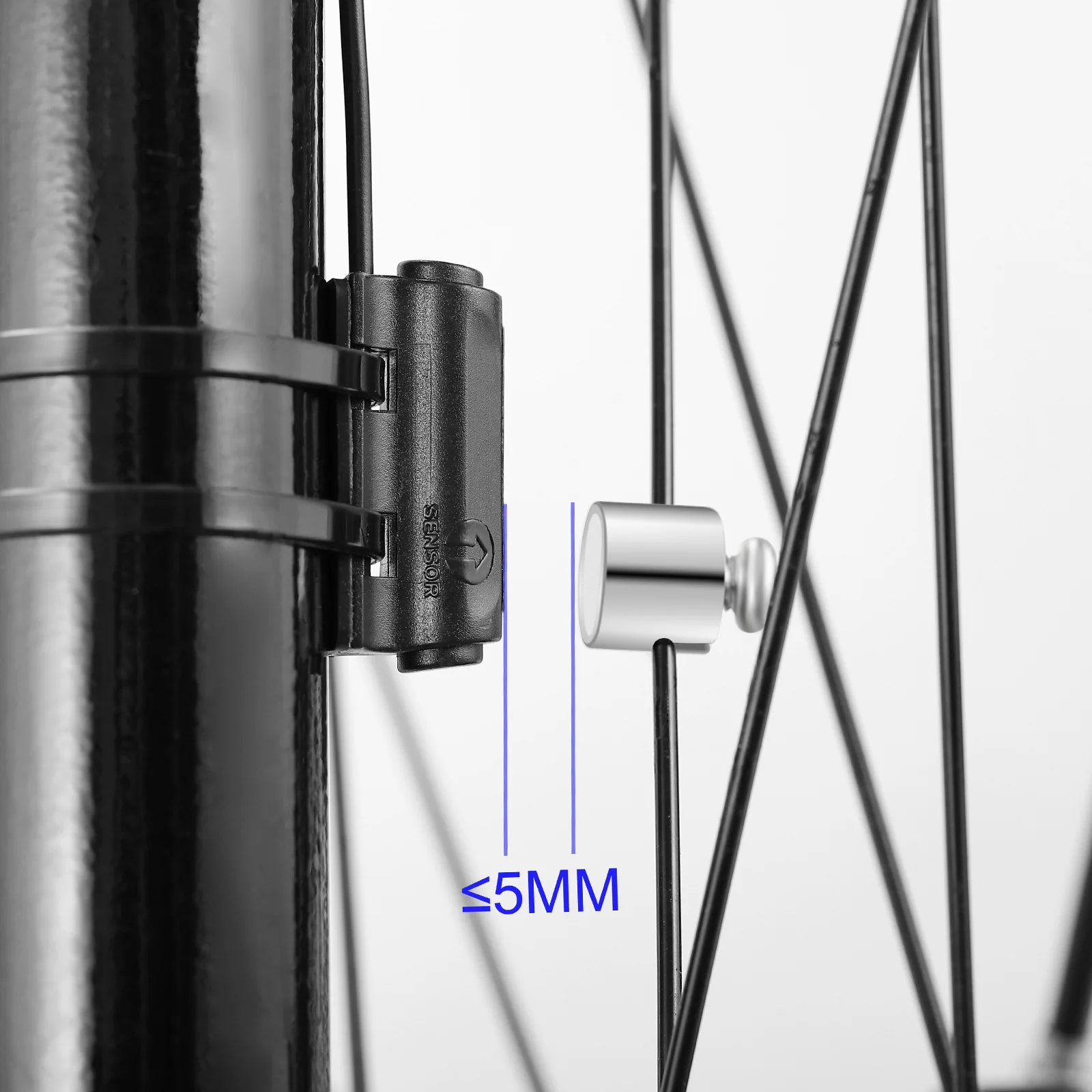
It calculates speed using a small magnet clamped to a front wheel spoke and a sensor fixed to the front fork. Each wheel revolution triggers the sensor, allowing the computer to compute speed and trip distance based on wheel size.
Yes, it is designed for general bicycles, including mountain bikes, provided the sensor and spoke magnet can be positioned within operational distance of each other along the front fork.
While designed for outdoor cycling, specific IP waterproof ratings are not specified in the available product data. Basic moisture exposure is typical for bike accessories, but submerging or riding in torrential downpours without confirmation is not verified.
No, it functions completely independently on its built-in LCD screen without needing a smartphone connection, cellular data, or Bluetooth pairing.
Final Verdict
A practical choice for cyclists needing a low-maintenance, dedicated speed and distance display for daily riding. Recommended if you prefer physical wire reliability and long battery life without smartphone reliance, but skip if you require GPS mapping or app syncing.