
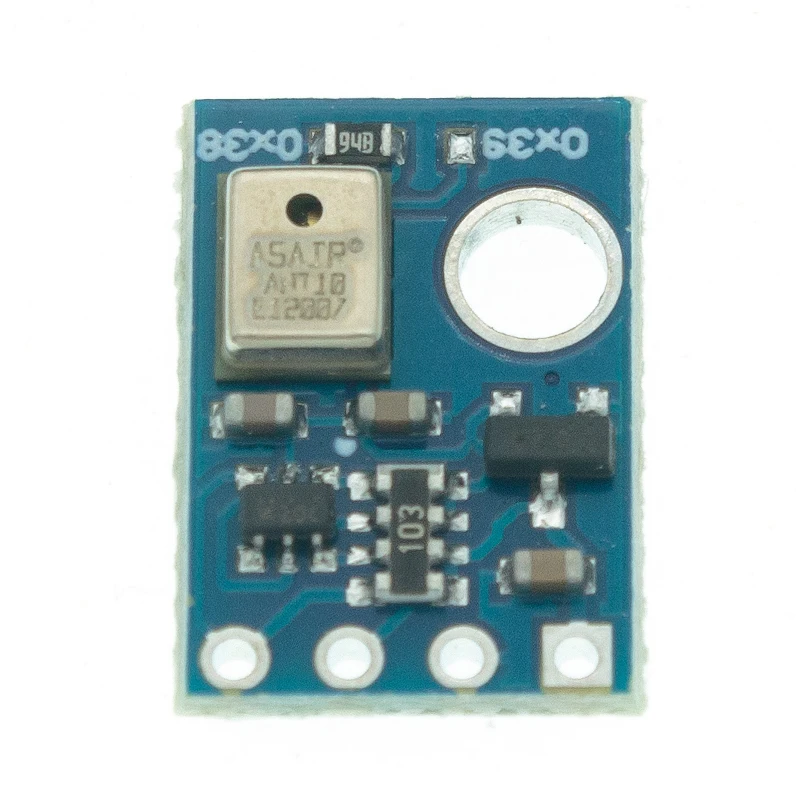
Problem & Solution
Legacy climate sensors like the DHT11 often suffer from slow sampling rates, sensitive single-wire timing protocols, and limited humidity resolution. These limitations can cause code blocking issues on multitasking microcontrollers like the ESP32 or ESP8266.
The AHT10 module addresses these issues by adopting standard I2C digital communication. Operating over simple serial clock and data lines, it provides an accessible, standardized way to integrate digital temperature and relative humidity measurements into weather stations, environmental monitors, and automated control systems.
Who Is It For?
Designed for electronics hobbyists, IoT developers, and embedded software engineers building climate-monitoring devices with microcontrollers such as Arduino, ESP8266, ESP32, or Raspberry Pi.
Key Features
- I2C Bus Communication — Utilizes standard SDA and SCL signal lines for simplified bus integration with microcontrollers.
- Integrated Dual Sensing Element — Measures ambient air temperature and relative humidity on a single breakout board.
- DHT11 / SHT20 Alternative — Positioned as an upgraded digital replacement for older single-wire modules.
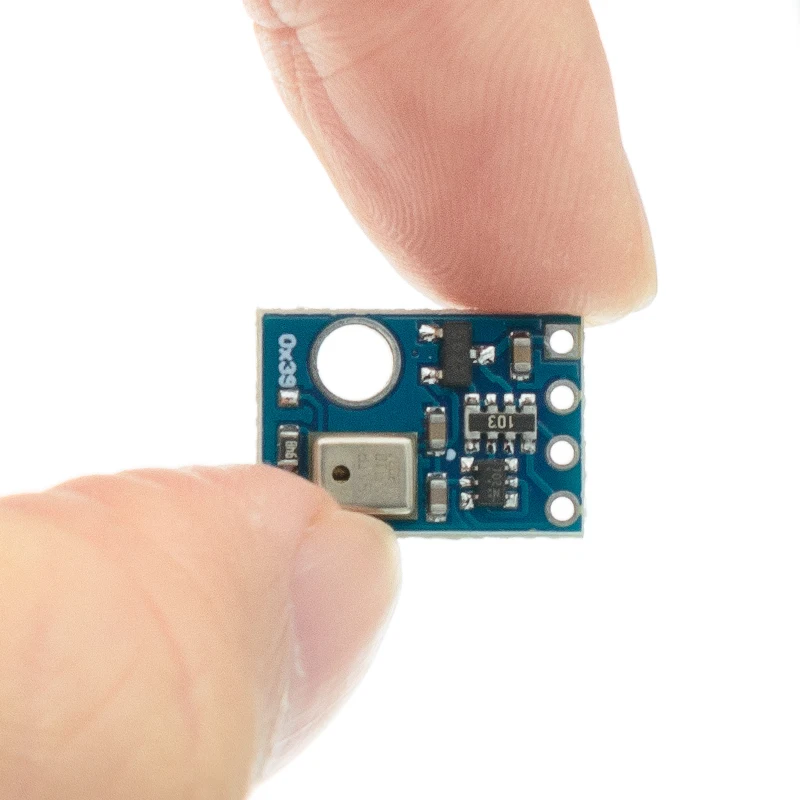
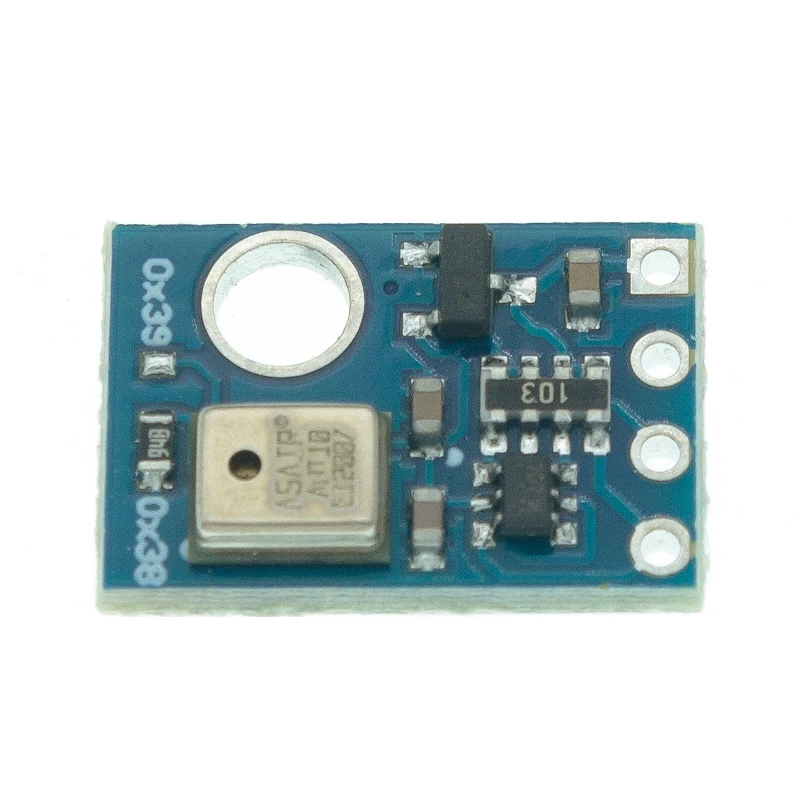
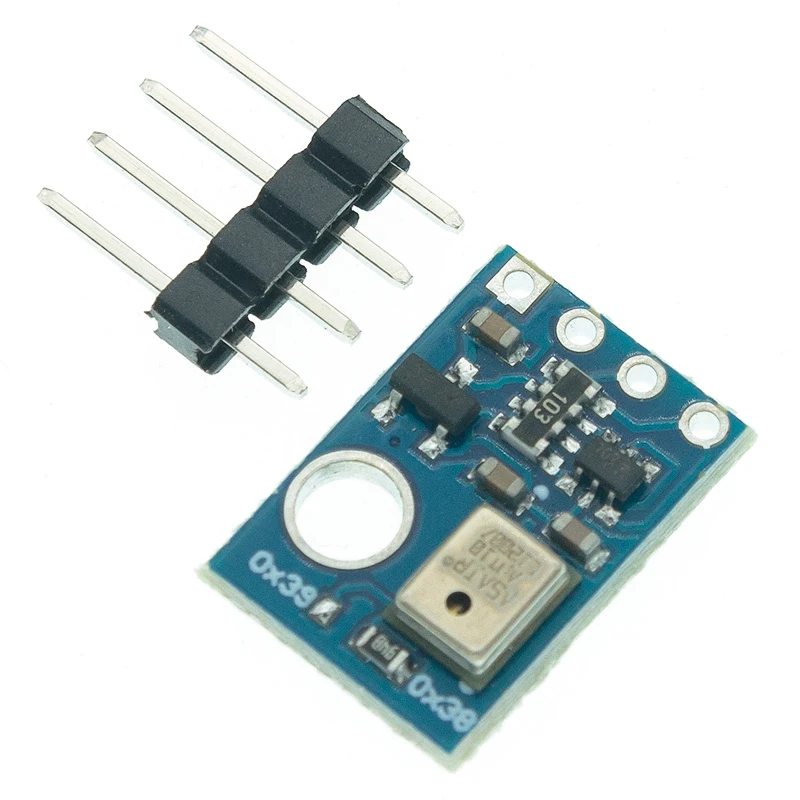
- Compact Breakout PCB — Standard pin header design suitable for breadboards, prototype shields, or custom project enclosures.
Technical Specifications
| Sensor Model | AHT10 |
| Measurement Types | Ambient Temperature & Relative Humidity |
| Communication Bus | Digital I2C Interface |
| Functional Alternatives | DHT11, SHT20, AM2302 |
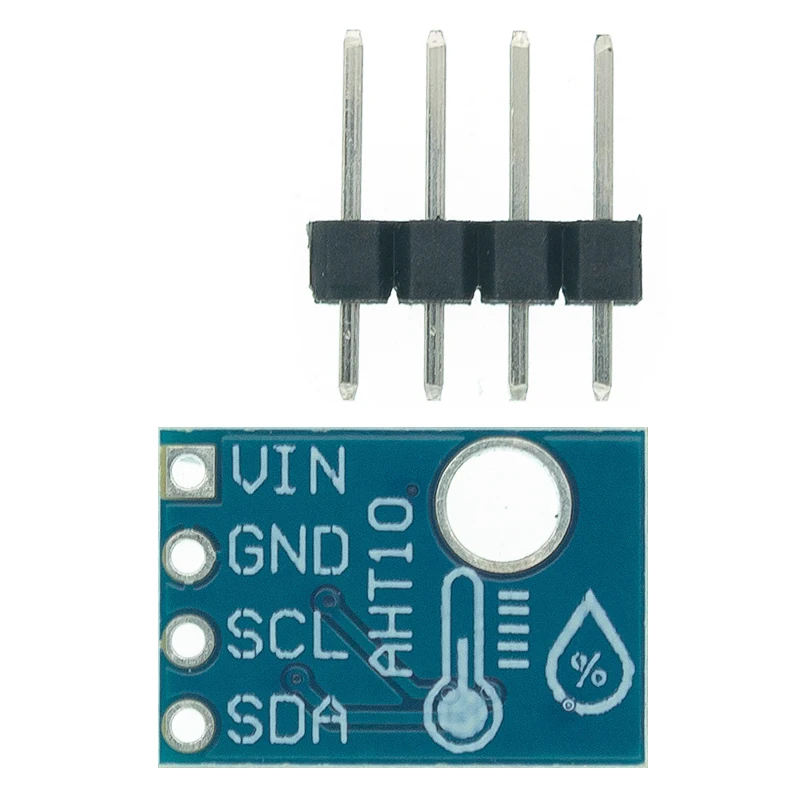
| Pinout Layout | VCC, GND, SCL, SDA (standard 4-pin breakout) |
| Platform Compatibility | Arduino, ESP8266, ESP32, Raspberry Pi, STM32 |
| Supply Voltage Range | Not specified in vendor overview; check breakout schematic for onboard regulator specs |
Pros & Cons
Pros
- Employs standardized I2C communication, reducing timing sensitivity compared to proprietary single-wire protocols.
- Combines temperature and relative humidity data extraction over a single bus address.
- Widely supported by open-source community libraries across Arduino IDE, PlatformIO, and MicroPython.
Cons
- Requires I2C bus pin allocation (SDA/SCL) rather than a single digital IO pin.
- Detailed operating voltage ranges and onboard logic level conversion depend on specific board revisions; datasheet verification is recommended prior to powering.
FAQ
No. While it serves the same basic functional purpose of measuring climate parameters, the AHT10 uses the I2C protocol rather than the DHT11 single-wire protocol, requiring an AHT10-specific code library.
The module uses a digital I2C bus interface consisting of standard clock (SCL) and data (SDA) lines.
Yes, standard open-source AHT10 libraries are readily accessible within the Arduino IDE library manager, PlatformIO, and MicroPython repositories.
Final Verdict
A practical choice for DIY makers and embedded developers moving away from aging single-wire sensors toward standard I2C climate monitoring. If your microcontroller project already uses an I2C bus, this module provides a simple interface for gathering ambient data.