Problem & Solution
For electronics hobbyists, makers, and developers, integrating a visual display with user input into compact DIY projects often means sourcing multiple components, dealing with complex wiring, and consuming valuable PCB space. This can lead to increased project complexity, longer development times, and a less streamlined final product.
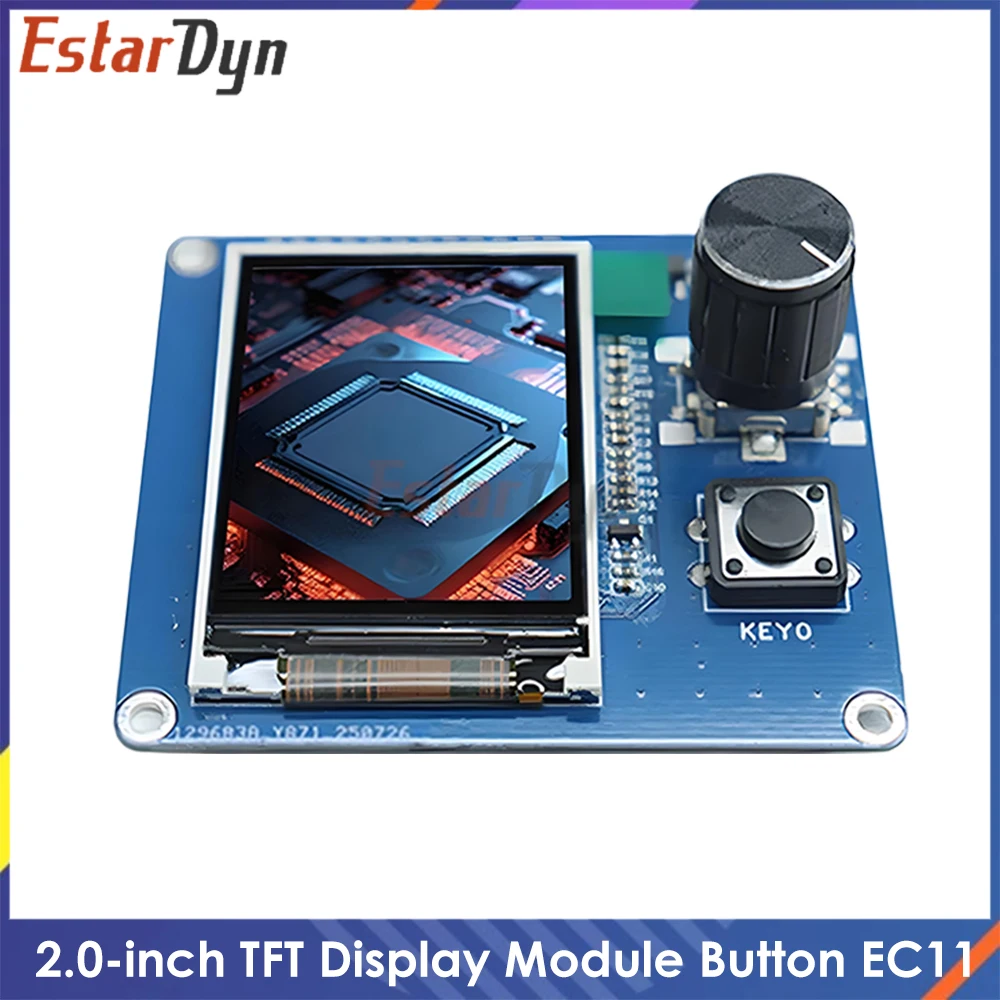
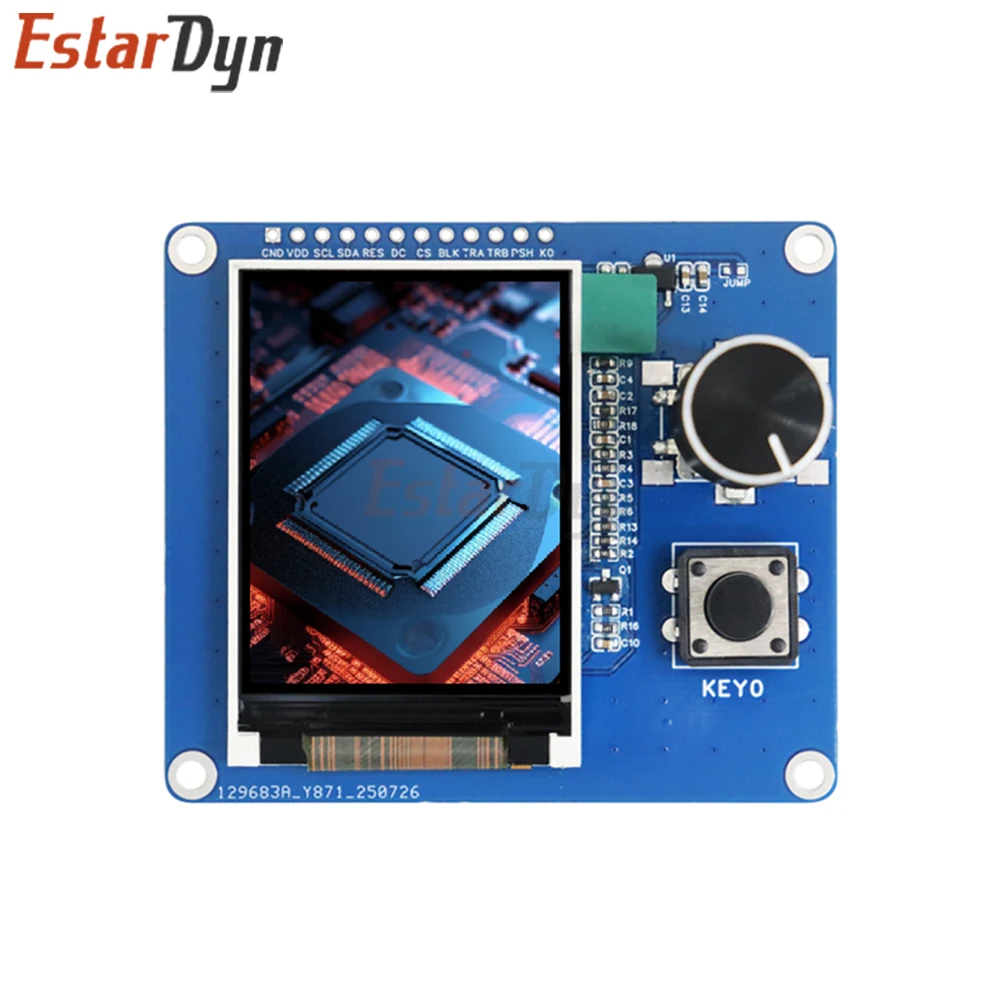
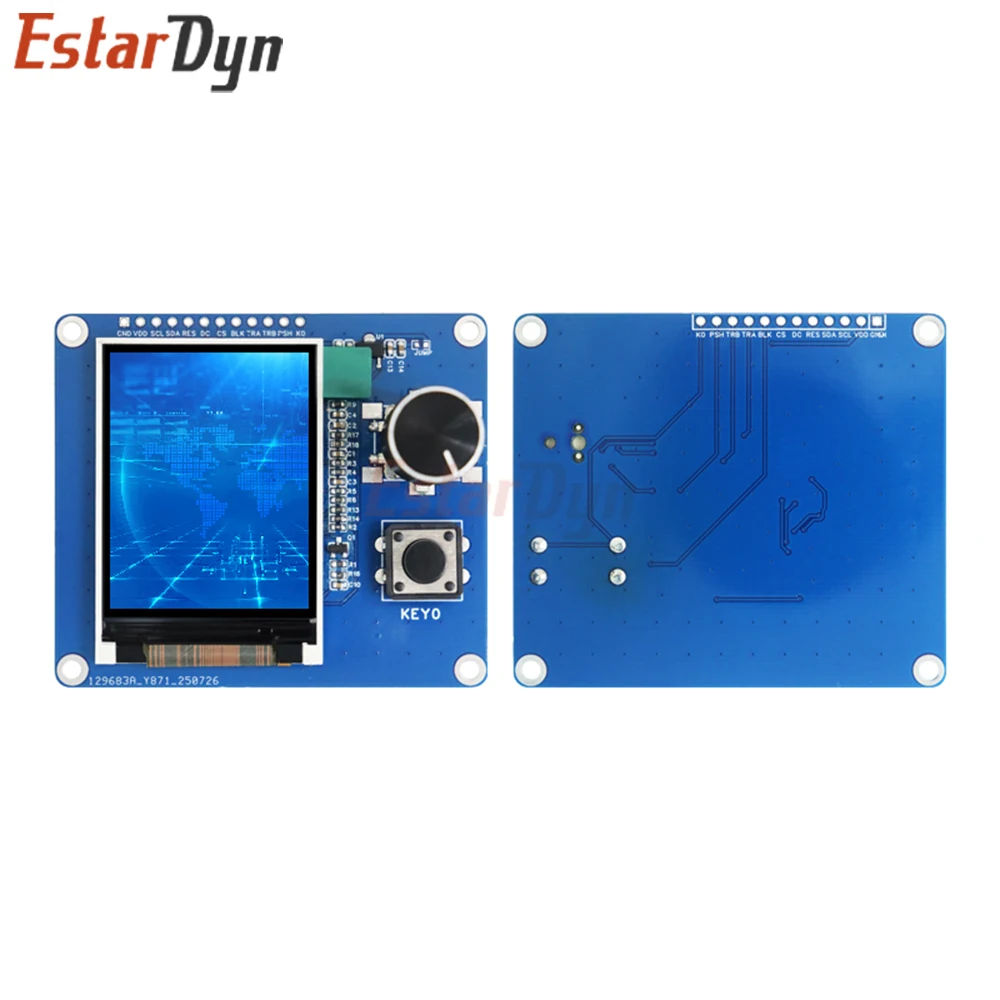
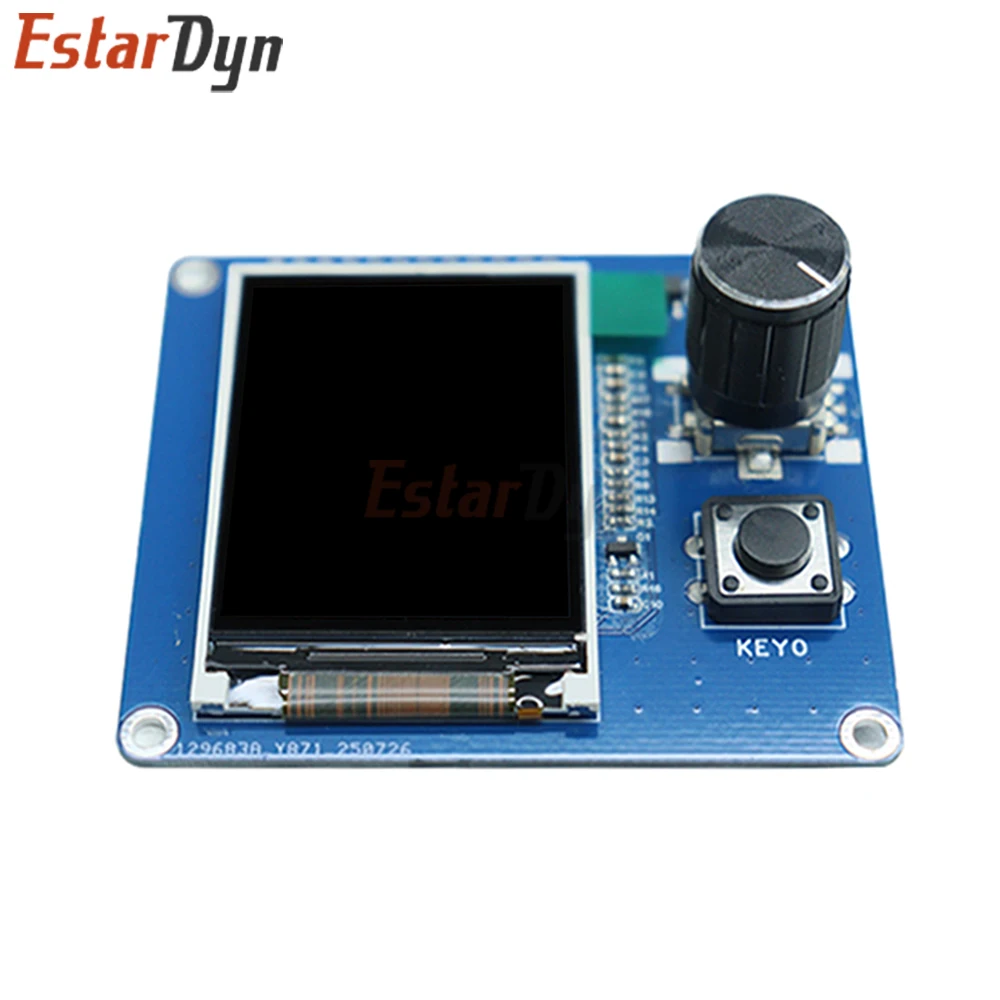
The 2.0 Inch TFT LCD Display with an integrated EC11 Rotary Encoder addresses this by offering a combined Human-Machine Interface (HMI) solution. It provides both a visual output and an intuitive input mechanism in a single module, simplifying hardware design and reducing the footprint required for interactive microcontroller-based systems. This integration helps streamline the development of custom dashboards, control panels, and menu navigation systems for projects utilizing popular platforms like ESP32 and Raspberry Pi.
Who Is It For?
This display and encoder module is specifically designed for electronics enthusiasts, students, embedded systems developers, and hobbyists engaged in DIY projects. It's ideal for those who are building custom devices, IoT prototypes, or educational kits where a compact, interactive user interface is essential. Target buyers are likely to be familiar with microcontrollers such as ESP32 and Raspberry Pi, possess basic soldering skills, and have an understanding of IIC (I2C) and SPI communication protocols. It's particularly useful for projects that require menu navigation, value adjustment, or status display in a space-constrained environment.
Key Features
- **2.0 Inch TFT LCD Display:** Provides a compact visual output for displaying text, graphics, and data in your DIY projects.
- **Integrated EC11 Rotary Encoder:** Offers intuitive user input with both rotational control for navigation/adjustment and a push-button function for selection.
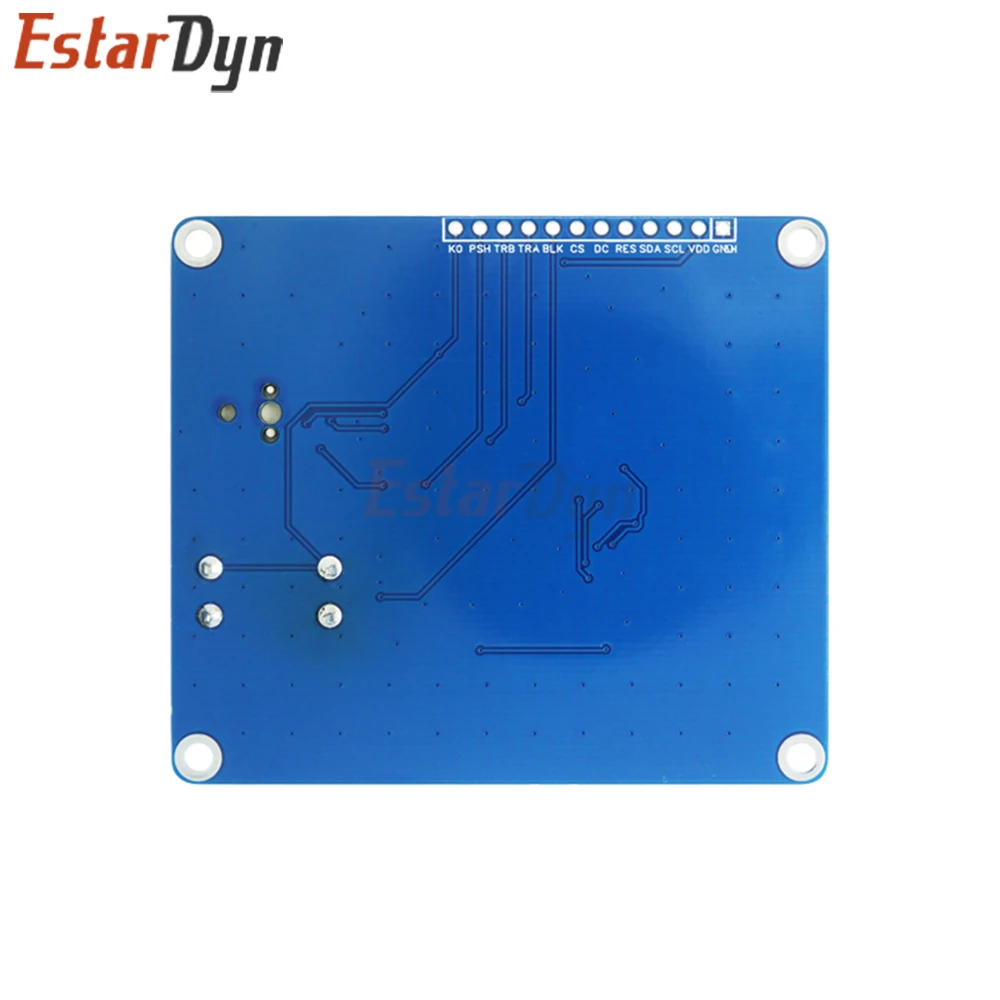
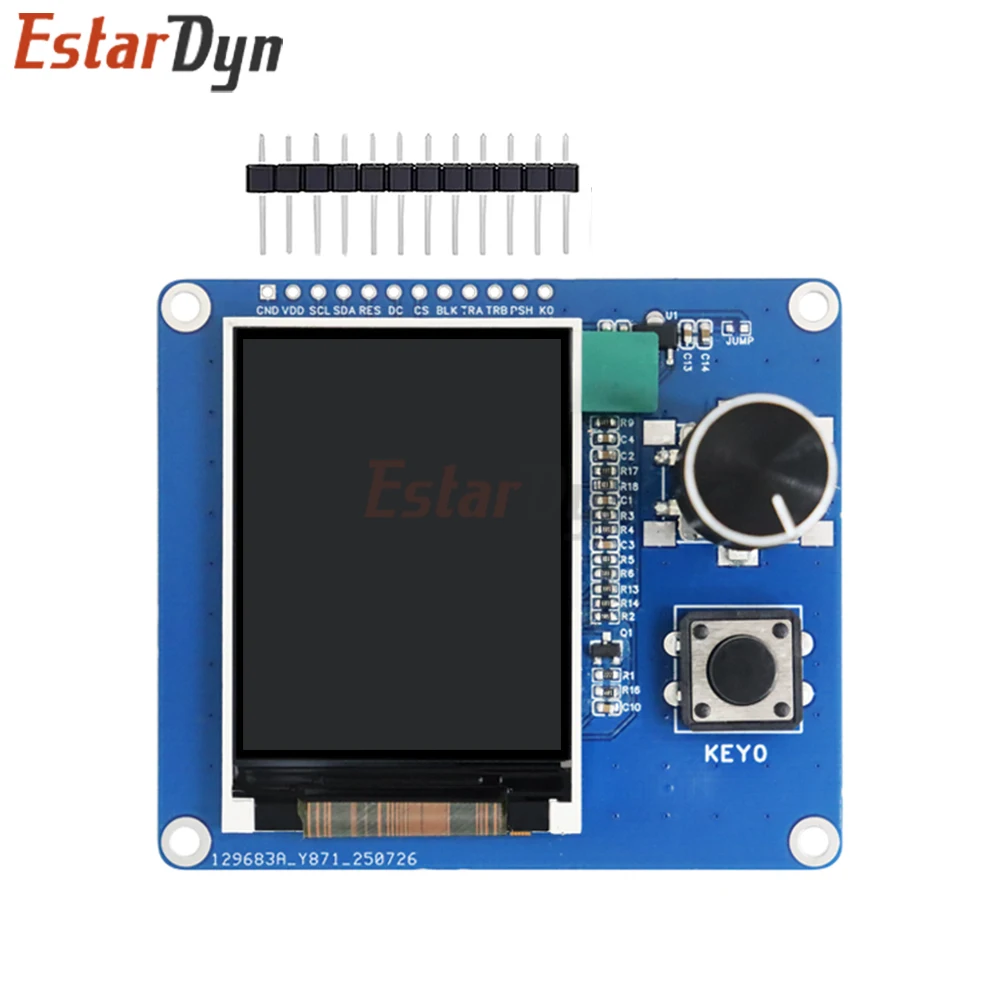
- **Dual IIC and SPI Interface Support:** The display module offers flexible connectivity options, allowing integration with a wide range of microcontrollers via either IIC (I2C) or SPI protocols.
- **Broad Microcontroller Compatibility:** Designed for seamless integration with popular development boards like ESP32 and Raspberry Pi, extending its utility to various embedded systems.
- **All-in-One HMI Solution:** Combines both display and user input into a single module, simplifying wiring and optimizing space for compact project builds.
Technical Specifications
| Display Type | 2.0 Inch TFT LCD |
| Input Method | EC11 Rotary Encoder (Rotation + Push Button) |
| Display Interfaces | IIC (I2C), SPI |
| Microcontroller Compatibility | ESP32, Raspberry Pi (and generally other MCUs with IIC/SPI) |
| Display Resolution | Not specified |
| Display Color Depth | Not specified |
| Power Supply Voltage | Not specified |
| Physical Dimensions | Not specified |
Pros & Cons
Pros
- **Integrated Display & Input:** Consolidates visual output and user control into one compact unit, reducing component count and wiring complexity for DIY projects.
- **Versatile Interface Options:** Supports both IIC and SPI for the display, offering flexibility to choose the best protocol based on your microcontroller's capabilities and other peripherals.
- **Intuitive User Interaction:** The EC11 Rotary Encoder provides a familiar and effective method for menu navigation, value adjustment, and selection with its rotational and push-button functionality.
- **Wide Platform Compatibility:** Explicitly designed for ESP32 and Raspberry Pi, making it a suitable choice for a broad spectrum of embedded and IoT development platforms.
Cons
- **Resolution and Color Depth Not Specified:** Key display characteristics like resolution (e.g., 128x160, 240x320) and color depth are not provided in the available product data, which can make project planning challenging.
- **Physical Dimensions Undisclosed:** The exact physical size of the module is not specified, which is crucial for designing enclosures or fitting it into space-constrained projects.
- **Requires DIY Knowledge for Integration:** This is a component for experienced hobbyists or developers and is not a plug-and-play solution for end-users without basic electronics and coding knowledge.
- **No Explicit Mention of Libraries/Documentation:** While standard display and encoder libraries exist, the product data does not explicitly state the provision of dedicated libraries or comprehensive documentation, which might require users to research compatible resources.
FAQ
The available product data does not specify the exact resolution (e.g., pixels) or color depth of the 2.0-inch TFT LCD. Buyers should research common resolutions for 2.0-inch TFT displays or seek additional vendor information if a specific resolution is critical for their project.
While the product explicitly mentions compatibility with ESP32 and Raspberry Pi, the presence of IIC (I2C) and SPI interfaces suggests it is highly likely to be compatible with Arduino boards as well, given that these microcontrollers also support these common communication protocols. Users would need to utilize appropriate Arduino libraries for TFT displays and rotary encoders.
The EC11 Rotary Encoder typically provides two main functions: continuous rotation (usually with detents) to increment or decrement values, and a push-button switch when pressed down. This allows for both navigation and selection from a single input component.
Yes, to operate the TFT LCD and read input from the rotary encoder, you will typically need to use software libraries compatible with your chosen microcontroller (ESP32, Raspberry Pi, Arduino, etc.). Common libraries like Adafruit GFX and specific display driver libraries for TFTs, along with rotary encoder libraries, are generally used for such modules. The product data does not specify if dedicated libraries are included.
Final Verdict
This 2.0 Inch TFT LCD with EC11 Rotary Encoder is a compelling choice for electronics hobbyists and developers seeking a compact, integrated Human-Machine Interface (HMI) solution for their ESP32 or Raspberry Pi projects. It's particularly recommended for those who prioritize space-saving and simplified wiring by combining display and input into a single module. However, potential buyers should be aware that crucial display specifications like resolution and color depth, as well as physical dimensions, are not provided. If your project has strict requirements for these specific parameters, or if you prefer a fully documented, plug-and-play solution, you might need to gather more information or consider alternatives. The current offering presents good value for its integrated functionality, but verify its suitability against your project's precise technical needs before ordering.